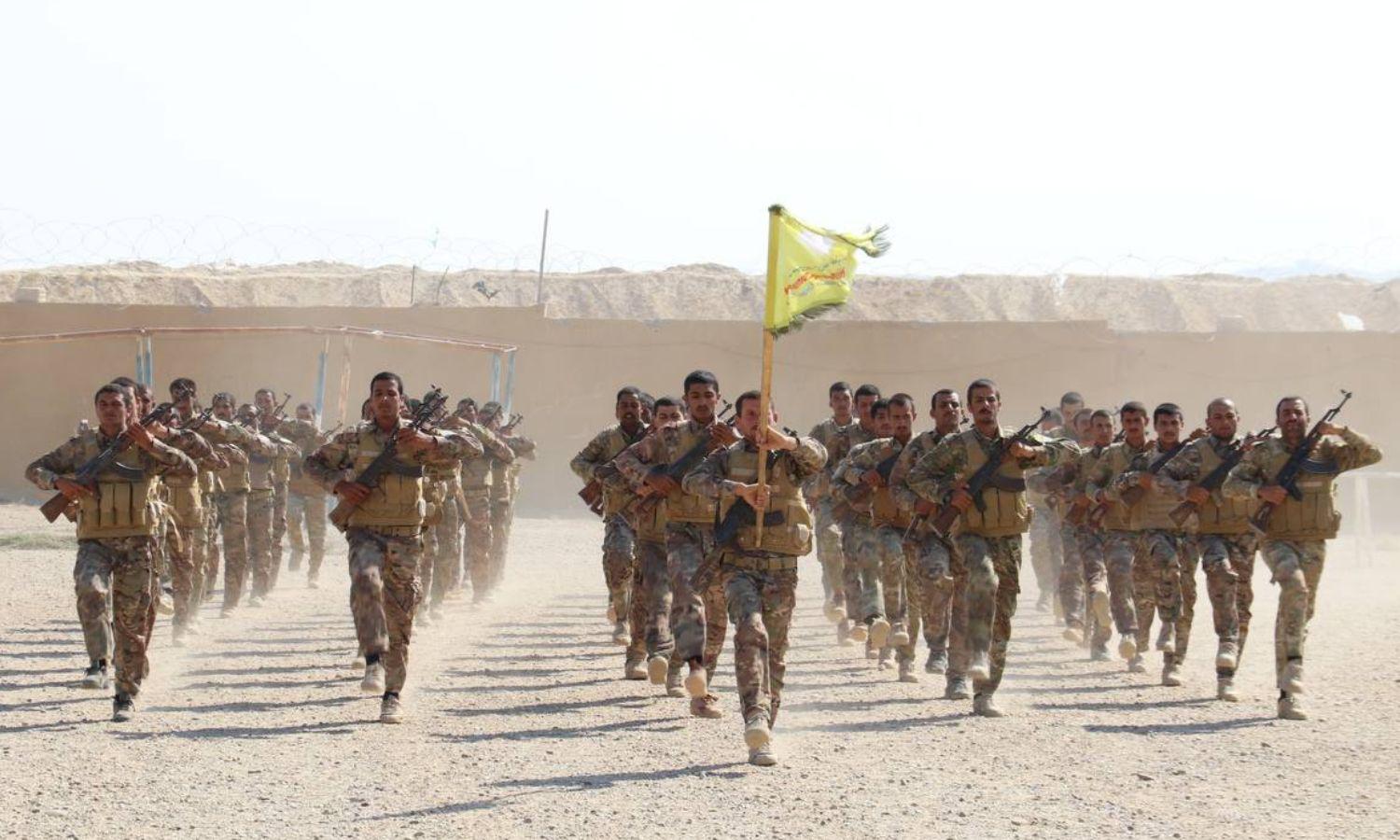
Analyst Vahap Coşkun forcefully articulates this critical perspective in his recent column for Serbestiyet. Coşkun challenges the notion that a cohesive national military even exists. He argues that forcing the SDF into a premature union ignores the deep-seated fear and lack of security guarantees plaguing virtually all communities outside the ruling faction in Damascus. "Those who tell the SDF to submit to Damascus today," Coşkun asks, "would they hand over all leverage to Damascus if they were in the SDF's shoes?"
The core of the argument rests on the transitional government's failure to establish a monopoly on violence or protect its citizens. Since the fall of the Assad regime, profound insecurity has gripped minority communities, including Alawites, Druze, and Christians, as well as secular Sunnis. Coşkun notes that groups like the Druze continue to refuse to disarm, demanding that their own forces maintain regional security. This is not defiance for its own sake, but a desperate measure for self-preservation in an environment where other armed groups, from tribal militias to radical factions, operate with impunity, sometimes even at Damascus's behest.
These fears are substantiated by harrowing evidence of atrocities committed by elements within the new security apparatus. A United Nations report investigating massacres in the coastal regions of Latakia and Tartus in March found that approximately 1,479 Alawite civilians were killed by extremist elements affiliated with Hay'at Tahrir al-Sham (HTS) and other factions recently integrated into the new army. The report described the violence as "widespread and systematic," likely constituting war crimes, and documented a "persistent pattern of violence" against civilians, including summary executions and torture.
This fragmentation is key. The UN report itself noted that while some government units attempted to protect civilians, others participated directly in the killings. This demonstrates that the entity labelled the "Syrian army" is not a monolithic, disciplined institution but a patchwork of militias with varying loyalties and ideologies. For the SDF, the demand to integrate means surrendering to a force whose components have recently committed massacres against other minorities. Without robust legal frameworks, institutional guarantees, and a mechanism to hold perpetrators accountable, such a move, Coşkun concludes, is not a step toward unity but an invitation to subjugation. The real task, he suggests, is not to coerce the SDF, but to support the painstaking process of building a truly national and trustworthy army from the ground up.
Photo: The Source