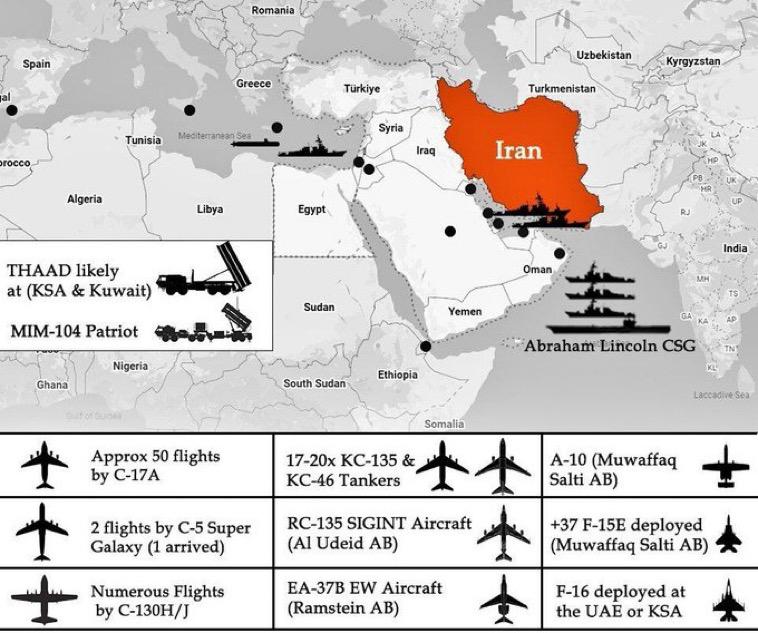
Ankara is actively working to forestall a potential US military strike against Iran, according to a report by veteran journalist Murat Yetkin in Yetkin Report on January 29. Turkish Foreign Minister Hakan Fidan has held multiple meetings with US Ambassador Tom Barrack in recent days, discussing not only Syria and Gaza but also the escalating Iran crisis, as President Recep Tayyip Erdoğan pushes for direct dialogue between Washington and Tehran.
Erdoğan reportedly proposed a trilateral teleconference between US President Donald Trump, Iranian President Masoud Pezeshkian, and himself during his second phone call with Trump in a week, according to Hürriyet columnist Hande Fırat. This diplomatic initiative reflects Turkey's urgent interest in preventing conflict on its eastern border while managing ongoing tensions in Syria and a critical domestic counterterrorism process.
Turkey is not alone in these efforts. The United Arab Emirates, a key architect of the Abraham Accords, has privately informed Iran it would not permit use of its airspace for a US attack. Fidan spoke with his Emirati and Iranian counterparts on Wednesday, with Iranian Foreign Minister Abbas Araghchi scheduled to visit Ankara.
The US demands—focused on Iran's nuclear program, missile development, and proxy wars—are essentially Israel's demands, not related to democracy or the brutal crackdown on protesters that has killed over 5,000 people. This raises questions about whether regional diplomatic efforts can sway Trump, whose administration's "global bullying" (from Venezuela to Greenland) may only respond to transactional incentives, much like the premise of the Nasrettin Hodja folktale "What if it catches?"
The report contrasts Turkey's approach with France's recent diplomatic failure, when President Emmanuel Macron attempted to broker a phone call between Syrian President Ahmed al-Sharaa and SDF leader Mazlum Abdi on January 25, only to be ignored by Damascus. Meanwhile, Trump's calls to both al-Sharaa and Erdoğan on the same day connect to Senator Lindsey Graham's "Save the Kurds" legislation and discussions in Israel's parliament about establishing a Kurdish lobby.
Analysts suggest Trump's Syria policy may favor a negotiated transition for Kurdish-held areas like Kobani, al-Hasakah, and Qamishli, which would advantage Turkey while marginalizing the PKK. Yet the Iran threat remains serious and likely to materialize. The piece concludes that resisting Trump's coercive politics is necessary regardless of outcome, echoing Atatürk's principle: "Peace at home, peace in the world."
Photo: The source