ONLY IN TLF: The Latest Information from Inside Tehran. Diplomacy in the Shadows Amid Rising War Rhetoric
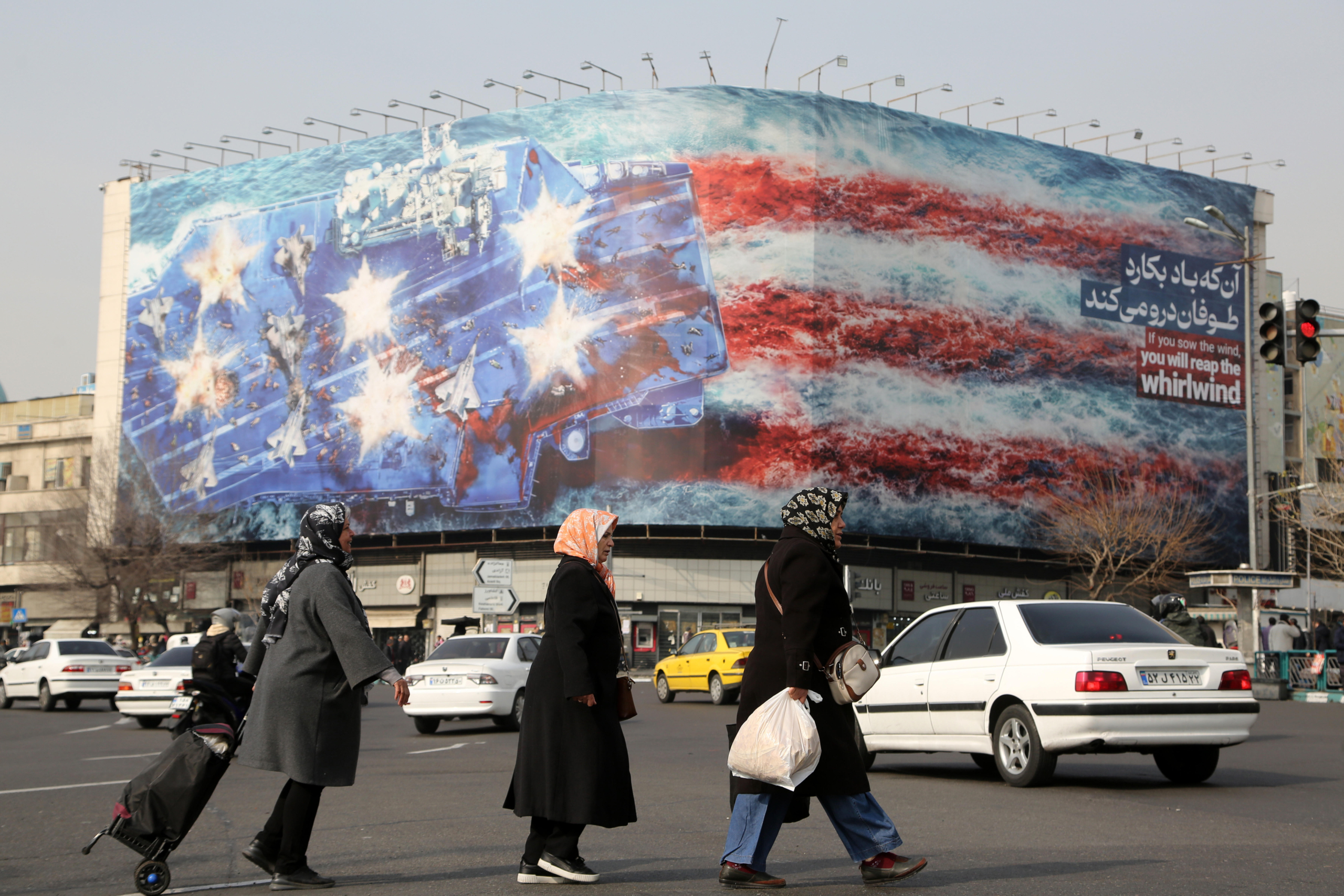
Military Escalation and the “Red Alert”
Razgosha reports that the military environment in the Persian Gulf is now at its highest tension level in years, with the USS Abraham Lincoln strike group positioned east of the Strait of Hormuz and the USS Truman approaching from the Red Sea. According to Neshan-e Tejarat, Iranian commanders have responded defiantly, declaring a “red alert” and warning that any violation of Iranian territory would mark the start of an “all-out war.”
Foreign Minister Abbas Araghchi has publicly stated that Iran’s armed forces are fully prepared for any hostile scenario, IRNA noted. Furthermore, Neshan-e Tejarat reported that the Islamic Revolutionary Guard Corps has identified the USS Abraham Lincoln as a primary target should hostilities begin.
In Washington, President Donald Trump has ramped up pressure, asserting that Iran must negotiate a new nuclear deal or face a conflict “more destructive” than the recent twelve-day war. This rhetoric, IRNA highlighted, has been formally condemned by Iran’s UN envoy, Amir Saeid Iravani, who described the remarks as a “clear violation” of the United Nations Charter.
Backchannel Diplomacy: The Araghchi–Witkoff Connection
According to Shafaq News, despite the heightened public rhetoric, a discreet diplomatic channel remains open. Reports indicate that Foreign Minister Abbas Araghchi recently contacted White House envoy Steve Witkoff in a bid to buy time or ease tensions. President Trump confirmed these communications, stating that a meeting is being arranged, though he cautioned that the U.S. might still “have to act” before talks take place. Iran’s Foreign Ministry has also verified that these channels remain active, supported by Swiss mediation.
Domestic Crisis and the “Terrorist War”
Shafaq News also emphasizes that the external threat of war is compounded by a deepening internal economic crisis. Following a sharp plunge in the Iranian rial to record lows, widespread unrest erupted in late December. The Iranian government has rejected the term “protests,” instead characterizing the instability as a “terrorist war” engineered by the U.S. and Israel to destabilize the Islamic Republic. Meanwhile, Washington has warned Tehran that any use of lethal force against its own citizens would carry “serious consequences.”
Scenarios of Conflict: Hybrid War vs. Surgical Strikes
Analysts argue that while a full-scale ground invasion remains unlikely due to its catastrophic economic repercussions—such as oil prices potentially surpassing $200 per barrel—the risk of “accidental conflict” or limited “surgical strikes” remains high, Razgosha and Neshan-e Tejarat note. Experts have outlined several potential military scenarios:
Surgical Strikes: Targeted U.S. attacks on Iran’s nuclear facilities, missile command centers, or drone factories.
Hybrid Warfare: Continued cyber-attacks on critical infrastructure and “grey zone” maritime engagements.
Economic Blockade: Deployment of U.S. naval assets to completely obstruct Iranian oil exports.
Iran has countered these threats by reiterating its “red lines,” warning that even a limited strike would provoke an “unprecedented” response against U.S. regional bases.
Regional Neutrality and the “Saudi Factor”
According to Entekhab, neighboring Arab states are increasingly alarmed by the prospect of being drawn into the conflict. In a notable diplomatic development, Saudi Crown Prince Mohammed bin Salman reportedly informed President Masoud Pezeshkian that the Kingdom will not allow its airspace or territory to be used for military operations against Iran. Most Gulf capitals acknowledge that the standoff between Tehran and Washington has grown “bigger than them,” yet they remain on the frontline of potential confrontation. Iranian officials have reinforced this warning, declaring that any state facilitating a U.S. attack would be considered a “hostile” actor.
Photo: ECFR