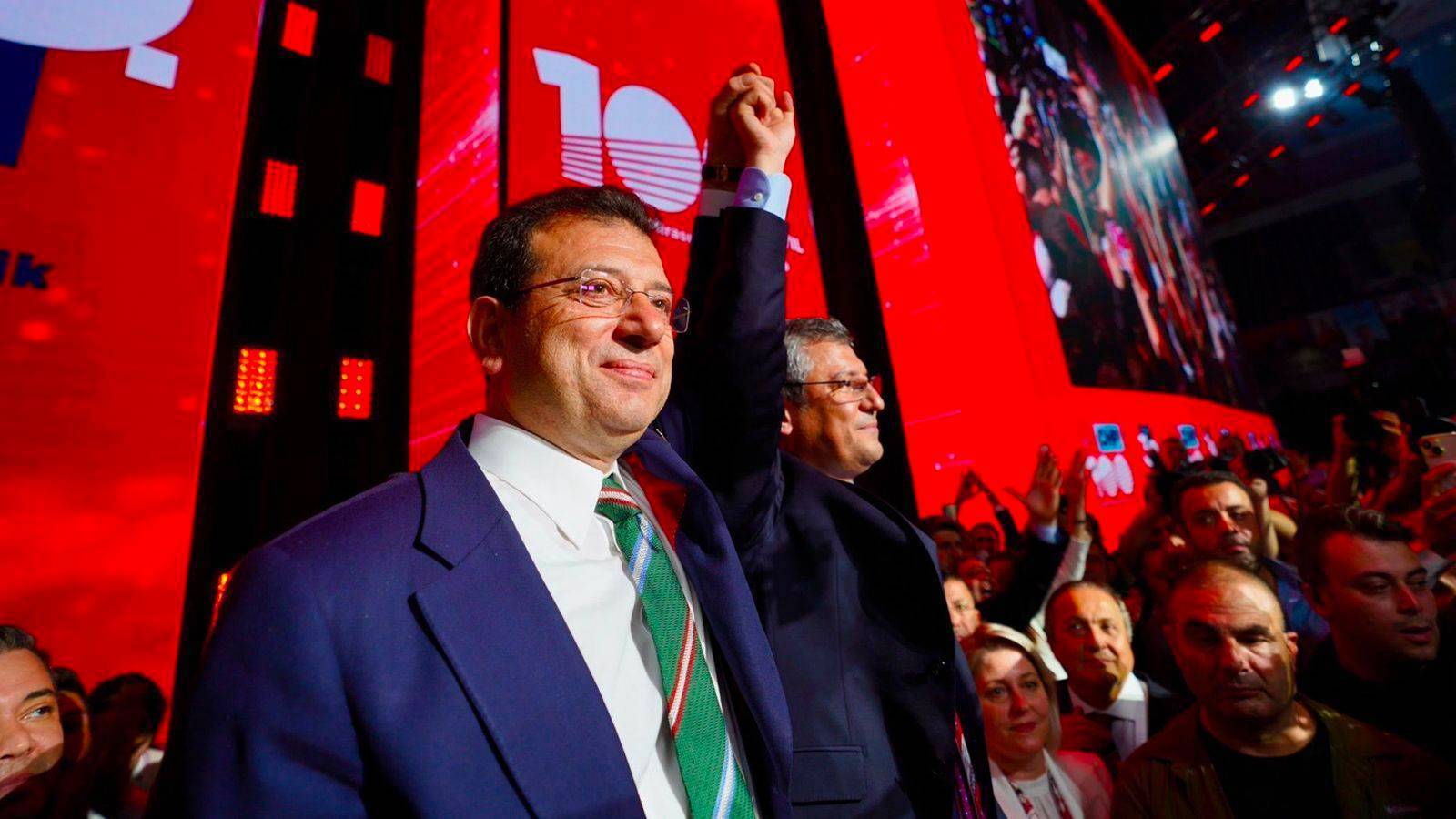
According to T24, challenges began when former Hatay Mayor Lütfü Savaş and several delegates filed separate lawsuits over the 38th Ordinary Congress—the gathering where Özgür Özel defeated long-time leader Kemal Kılıçdaroğlu to become CHP's new chairman. In February 2025, the various cases were consolidated under the Ankara 42nd Court. Since then, the case has touched almost every possible corner of Turkish political law: from internal party rules to election board oversight, from criminal investigations to debates about constitutional principles.
Accusations fueling the lawsuits are grave. Delegates and prosecutors have alleged vote-buying, procedural irregularities, and even collusion, implicating prominent figures, including Istanbul Mayor Ekrem İmamoğlu. Criminal indictments in both Ankara and Istanbul courts cite the Political Parties Law and seek prison sentences of up to three years for suspects accused of tampering with votes. The Ankara Chief Public Prosecutor classified Kılıçdaroğlu as a complainant in the indictment and stressed that constitutional norms and public order might have been breached at the 2023 congress. CHP's lawyers, however, fiercely reject these claims, insisting that the judiciary lacks authority to intervene in party congresses and that the lawsuits are politically motivated attempts to destabilize the country's primary opposition force.
The case is legally complex because it rests on the doctrine of mutlak butlan—a nuclear option in civil law which, if applied, means that Congress never legally existed. Such a ruling would therefore erase the legitimacy of decisions made in those gatherings, including Özgür Özel's leadership and appointments to central party organs. Yet heavyweight legal scholars have pushed back. Professors Adem Sözüer and Volkan Aslan submitted an expert opinion (scientific "mütalaa") arguing that civil courts have no jurisdiction over internal elections of political parties, since those processes fall strictly under electoral law and the Supreme Election Council (YSK). They concluded that declaring "absolute nullity" would lack any constitutional or statutory foundation, and that ongoing criminal trials—whatever their outcomes—cannot retroactively invalidate leadership elections.
In the run-up to today's hearing, the 42nd Court requested files from criminal and civil proceedings in Istanbul, effectively tying together a tangle of parallel cases. The additional material, including indictments tied to alleged fraud at the CHP's Istanbul Congress, has heightened both the complexity and stakes. Meanwhile, CHP's legal team secured a brief delay in early September, citing party anniversary events, but pressure has only intensified as the new date arrived.
Beyond procedural minutiae, the significance of today's decision resonates far more widely. Turkey has long grappled with the tension between judicial institutions and party politics. If the court rules for annulment, the risk is more than an internal CHP scandal—it could normalize judicial overreach into the democratic mechanisms of political parties, weakening the principle of independent political competition. Conversely, if the Court rejects the claims, it could help set a clear boundary, affirming that disputes over intra-party elections belong to electoral authorities, not civil courts.
Thus, as legal arguments unfold in Ankara, the question looming over Turkey is bigger than party factions or individual leaders. It is whether the resilience of democratic institutions can withstand the turbulent intersection of politics, law, and power. Today, indeed, is a critical day for Turkish democracy.
Photo: T24