According to political analyst Murat Yetkin, writing in Yetkin Report on September 12, the tensions surrounding the "Terörsüz Türkiye" (Terror-Free Turkey) parliamentary commission encapsulate the deeper conflict. He explains that the CHP, faced with what it sees as politically motivated judicial pressures, has called for democratic solidarity from the commission. Without the CHP's participation, Yetkin notes, the body risks losing legitimacy, appearing as nothing more than a platform for the ruling AKP, its nationalist ally MHP, and the pro-Kurdish DEM Party.
The commission had initially aimed to explore ways to address Turkey's long-standing security challenges while paving the way for political solutions, including laws to facilitate the safe reintegration of armed militants who lay down their weapons. The CHP entered the commission not simply to debate disarmament, but also to anchor a broader vision of democratization and rights expansion. Yet instead of focusing on this mission, political tensions have spilled over into the commission's work.
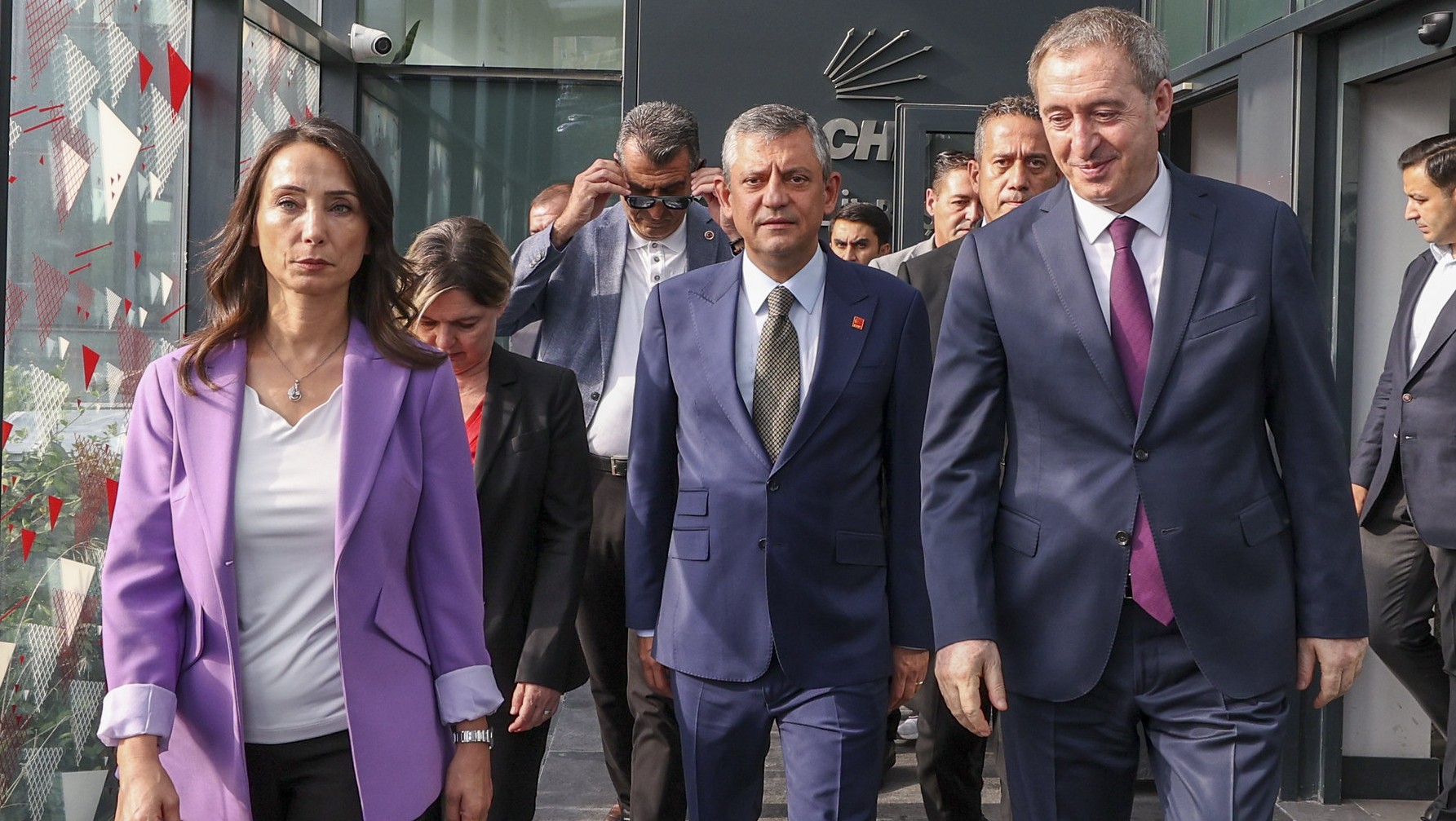
On September 11, as DEM Party co-chairs Tülay Hatimoğulları and Tuncer Bakırhan visited CHP leader Özgür Özel at the party's Istanbul headquarters to express solidarity, arguments flared in the parliamentary sessions. CHP representative Murat Emir warned that unless the increasing police pressure and judicial interventions against the party were confronted, the commission would collapse under hypocrisy. Heated exchanges followed, with AKP deputies dismissing Emir's protests.
Meclis Speaker Numan Kurtulmuş sought to redirect discussions back to external issues, particularly escalating violence in the Middle East, urging unity against Israel's operations in Gaza. But this deflection did not address CHP's central grievance: that parliamentary democracy is weakened when opposition parties are harassed through courtroom rulings, police raids, and politically charged prosecutions.
Ironically, the task of calming the situation fell to DEM – itself no stranger to state crackdowns, from trustee appointments in municipalities to the imprisonment of its deputies. DEM urged CHP not to "punish the fast by being angry at the priest," a Turkish idiom highlighting the futility of walking away in frustration.
Underlying the current skirmishes is the pivotal September 15 court case challenging the validity of CHP's 2023 congress, which elevated Özel to leadership. Critics of the congress, including loyalists of former leader Kemal Kılıçdaroğlu, allege irregularities in the vote, while government figures stand by the rhetoric that "it is up to the courts." A potential ruling that invalidates Özel's leadership would not only plunge CHP into turmoil but also cast a long shadow over the integrity of Turkey's electoral system.
For now, Turkish politics is caught in a paradox: parties still rally around calls for democracy abroad and unity in the face of foreign crises, yet within parliament, foundational principles of free political competition are at risk. If the judiciary becomes the battlefield for settling political scores, observers warn, even those who believe they are winning today may find the tools they wield turned against them tomorrow.
At stake on September 15, therefore, is not only the future leadership of the CHP but also the resilience of Turkey's fragile democratic order.
Photo: The Source