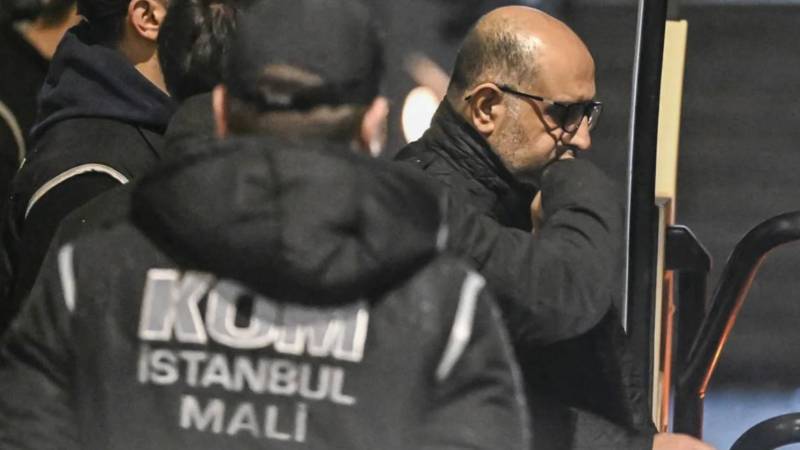
The investigation details the rise of the "Aziz İhsan Aktaş organization," which reportedly began its activities in 2014, experiencing significant growth in 2015 and a major surge in 2016. According to T24, journalist Aytunç Erkin highlighted a critical question within the indictment: why are tenders received by Aktaş between 2014 and 2019 not included in the investigation, given that the organization's foundations were laid during this period? The prosecution alleges that Aktaş's "golden age" began after 2019, following the election of CHP's Ekrem İmamoğlu as Istanbul's mayor, when the organization shifted its focus to Istanbul and its district municipalities.
The case took a dramatic turn when Aktaş, initially arrested as the alleged leader of the criminal enterprise, was released after providing testimony under an effective repentance law. His statements became the cornerstone of the prosecution's case, implicating a host of CHP mayors and high-ranking municipal bureaucrats. This led to a series of high-profile arrests. Among those detained and later indicted are Beşiktaş Mayor Rıza Akpolat, Adana Mayor Zeydan Karalar, and Adıyaman Mayor Abdurrahman Tutdere. The investigation has expanded to include numerous other municipalities, with raids and detentions continuing.
The indictment, spanning over 500 pages, names 200 suspects, 40 of whom are currently in custody, and 19 victims. The charges are severe, with prosecutors seeking a staggering 704-year prison sentence for Aktaş on nine separate counts, including establishing and leading a criminal organization, bribery, and bid-rigging. For Beşiktaş Mayor Rıza Akpolat, the requested sentence is up to 415 years. The indictment also calls for the confiscation of assets acquired through the alleged criminal activities.
The core of the allegations revolves around a quid-pro-quo scheme where Aktaş's companies would secure lucrative municipal tenders in exchange for bribes paid to mayors and officials. These bribes were allegedly disguised through various means, including payments for non-existent services and the purchase of officials' personal assets at inflated prices. The investigation has also uncovered that Aktaş's organization allegedly provided financial and logistical support for some candidates during the 2024 local elections, further entrenching his influence.
While the legal process unfolds, the case has ignited a fierce political debate in Turkey. The ruling party points to the investigation as evidence of widespread corruption within the opposition-led municipalities, while the CHP maintains that the probe is politically motivated, designed to undermine their success in local governments. The release of Aktaş, the alleged kingpin, while numerous elected officials remain behind bars based on his testimony, has only added fuel to the controversy, raising questions about the fairness and impartiality of the investigation.
Photo: T24