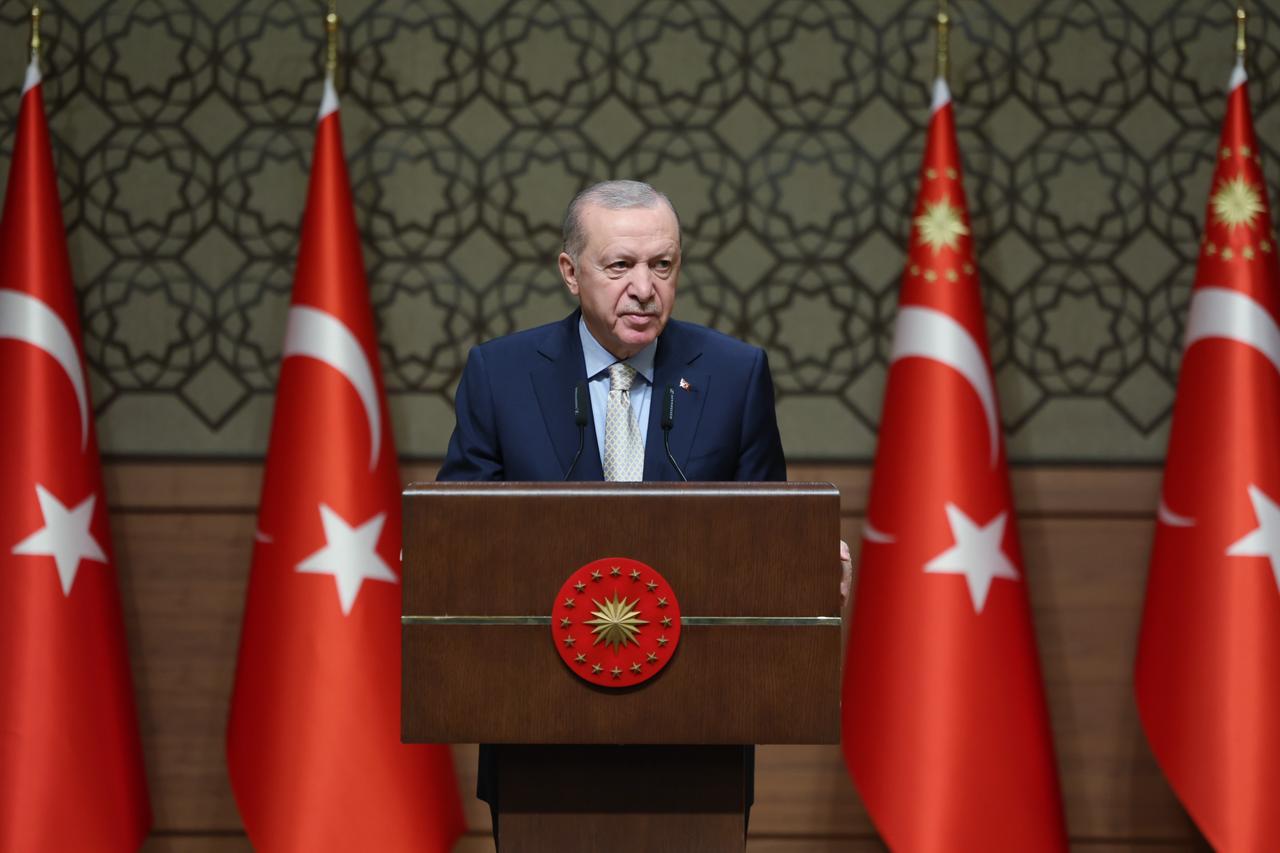
The presidential tour, scheduled from October 21-23, is the latest in a series of high-level diplomatic engagements aimed at shoring up Turkey's economy. Faced with rampant inflation and a volatile currency, Erdoğan’s government has actively sought to rebuild relationships with regional powers, framing Turkey as a prime destination for investment in infrastructure, technology, and defense. The visits to Kuwait, long-standing partner Qatar, and Oman are seen as critical to diversifying sources of foreign direct investment.
Ankara’s diplomatic push is already bearing fruit, signaling the potential for success on the upcoming tour. A recent landmark agreement highlights the growing economic synergy between Turkey and the region. Kuwait and a Turkish consortium finalized a significant $500 million deal for the expansion and operation of the Umm Al-Hayman wastewater treatment plant. This project not only showcases Turkish expertise in large-scale infrastructure but also represents the kind of tangible, capital-intensive partnership that Ankara hopes to replicate and expand upon during Erdoğan's visit.
Analysts view the Gulf tour as a crucial component of the new economic direction steered by Finance Minister Mehmet Şimşek and the central bank. After years of pursuing an unorthodox policy of low interest rates that critics say fueled inflation, Turkey has recently embarked on a path of aggressive monetary tightening to restore market confidence. However, this policy shift requires a substantial inflow of foreign currency to stabilize the lira and rebuild depleted reserves. The capital and sovereign wealth funds of Gulf nations are seen as a vital lifeline in this stabilization effort.
During his meetings in Kuwait City, Doha, and Muscat, President Erdoğan is expected to discuss a range of potential deals, from energy and construction to privatization of state assets and direct financial deposits. For the Gulf states, a stable and economically robust Turkey offers a powerful regional partner and lucrative investment opportunities. The success of this tour will be measured not just in diplomatic statements but in the concrete financial commitments Erdoğan secures to help navigate his country through one of its most challenging economic periods.
Turkey's Recent History with Economic Troubles
Turkey's current economic crisis is the culmination of several years of unconventional economic policies, external pressures, and geopolitical tensions. The core of the issue stems from President Erdoğan's long-held, unorthodox belief that high interest rates cause inflation, a view that contradicts mainstream economic theory.
Under pressure from the presidency, Turkey’s central bank embarked on a cycle of aggressive interest rate cuts starting in 2021, even as inflation was rising. This policy had several severe consequences:
Soaring Inflation: With borrowing costs artificially low, consumer demand surged and the currency weakened, pushing inflation to multi-decade highs. At its peak in 2022, official annual inflation surpassed 85%, drastically eroding the purchasing power of households and businesses.
Currency Collapse: The Turkish lira plummeted against major currencies. Foreign and domestic investors, seeking higher returns elsewhere and losing faith in the lira, sold off the currency. This devaluation made imports of energy and raw materials far more expensive, creating a vicious cycle of more inflation.
Depleted Foreign Reserves: In an attempt to slow the lira's freefall, the central bank spent tens of billions of dollars of its foreign currency reserves to prop it up. This strategy proved unsustainable and left the country’s financial buffers dangerously low.
Following his re-election in May 2023, President Erdoğan signaled a significant policy reversal by appointing a new, internationally respected economic team. This new administration has since implemented sharp interest rate hikes to combat inflation and restore orthodox monetary policy, a move aimed at regaining the trust of international markets and attracting the very foreign investment he now seeks from the Gulf.
Photo: Daily Sabah