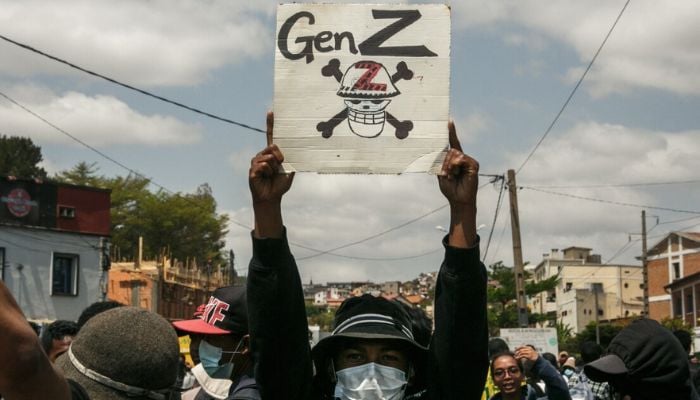
The youth-led "Gen Z 212" movement erupted in late September after eight women died during childbirth at a public hospital in Agadir, exposing critical deficiencies in Morocco's healthcare system. What began as outrage over maternal deaths quickly evolved into broader demonstrations against economic inequality, systemic corruption, and government spending priorities.
The anonymous, decentralized collective organized primarily through social media platforms including Discord, TikTok, and Instagram, bypassing traditional political structures. Protesters demanded action on youth unemployment, which officially stands at 35.8%, and criticized the government's focus on infrastructure for international sporting events—including the 2025 Africa Cup of Nations and 2030 FIFA World Cup—at the expense of essential public services.
The protests gained massive momentum through early October but were marred by violence. In Leqliaa, near Agadir, security forces shot and killed three protesters, while in Oujda, a demonstrator was severely injured after being struck by a police vehicle. Human rights organizations swiftly condemned the incidents.
The turning point came on October 10, when King Mohammed VI addressed parliament. While not directly mentioning Gen Z 212, the monarch implicitly acknowledged protesters' grievances by calling for accelerated reforms in health, education, and youth employment. In Morocco, where the monarchy commands significant respect, the King's remarks were widely interpreted as an effort to de-escalate tensions.
The government followed with a substantial concession: a 16% budget increase for health and education sectors in the 2026 budget proposal. Analysts viewed this as a strategic move to appease demonstrators and reduce pressure on the regime.
However, authorities simultaneously pursued a harsh crackdown. As of October 24, approximately 1,500 people face prosecution on charges including property damage and organizing unauthorized protests, with some already receiving lengthy prison sentences. Human rights groups have condemned the widespread arrests and severe sentencing.
Following the royal speech and budget announcements, daily widespread protests decreased markedly. Organizers temporarily paused activities in mid-October to reorganize before calling for renewed peaceful demonstrations on October 18. While smaller and less frequent, some protests continue, with the movement diversifying tactics to include boycotts of certain products and football matches.
The government's two-pronged strategy—making social concessions while using the judicial system to weaken the movement—appears designed to avoid direct engagement with the anonymous leadership. Core demands, including Prime Minister Aziz Akhannouch's resignation and prosecution of corrupt officials, remain unaddressed.
The movement's long-term impact remains uncertain. While its decentralized, leaderless structure enabled rapid mobilization, analysts suggest this same characteristic may hinder sustained pressure and effective negotiation with authorities.
As Morocco enters late October 2025, the Gen Z 212 movement represents a watershed moment for youth activism in the North African kingdom, demonstrating both the power of digital organization and the challenges of translating street protests into lasting political change.
Photo: thenews.com.pk