Syrian Kurds’ Isolation Deepens as Damascus Confirms Borders with Iraq and Turkey Will Remain Closed
The political and economic encirclement of the Kurdish-led administration in northeast Syria (Rojava) shows no signs of abating, cementing a status quo of blockade and diplomatic solitude. Amidst a complex web of regional hostilities, Syrian government officials have confirmed that there is no roadmap to reopen vital international border crossings connecting the semi-autonomous region with neighboring Turkey or Iraq. This refusal effectively locks the Syrian Democratic Forces (SDF) and the civilian population under their administration into a continued state of geographic isolation, caught between hostile neighbors and an uncompromising central government.
According to a report published by Rudaw, Mazen Alloush, the Director of Public Relations at the General Authority for Land and Sea Border Crossings, stated in a Friday interview that Damascus maintains no relations with the Kurdish-led administration. Speaking to the outlet, Alloush emphasized that “neither Turkey nor Iraq are planning to open crossings with the Syrian Democratic Forces,” specifically referencing the dormant Nusaybin crossing, which links the city of Qamishli in northeast Syria with the Turkish city of Nusaybin.
The prerequisite for any normalization of border traffic appears to be a total surrender of autonomy. Alloush told Rudaw that official crossings would remain shuttered "until those areas return to Syrian state administration." This ultimatum highlights the deep chasm between the interim government in Damascus and the Democratic Autonomous Administration of North and East Syria (DAANES). While internal checkpoints exist between government-held land and SDF areas, Alloush noted these are not under his entity's authority but are managed locally, further distinguishing them from recognized international borders.
This diplomatic stalemate is mirrored by escalating violence on the ground, further destabilizing the region. The isolation of the Kurdish region is exacerbated by active hostilities in Deir ez-Zor province. On Sunday, the SDF reported that "Damascus-affiliated factions" directly targeted an SDF outpost in the eastern countryside, seriously wounding one fighter. This incident followed a series of tit-for-tat accusations, where the Kurdish-led forces—the primary on-the-ground ally of the US-led Coalition against ISIS—responded to similar attacks by regime-aligned armed groups.
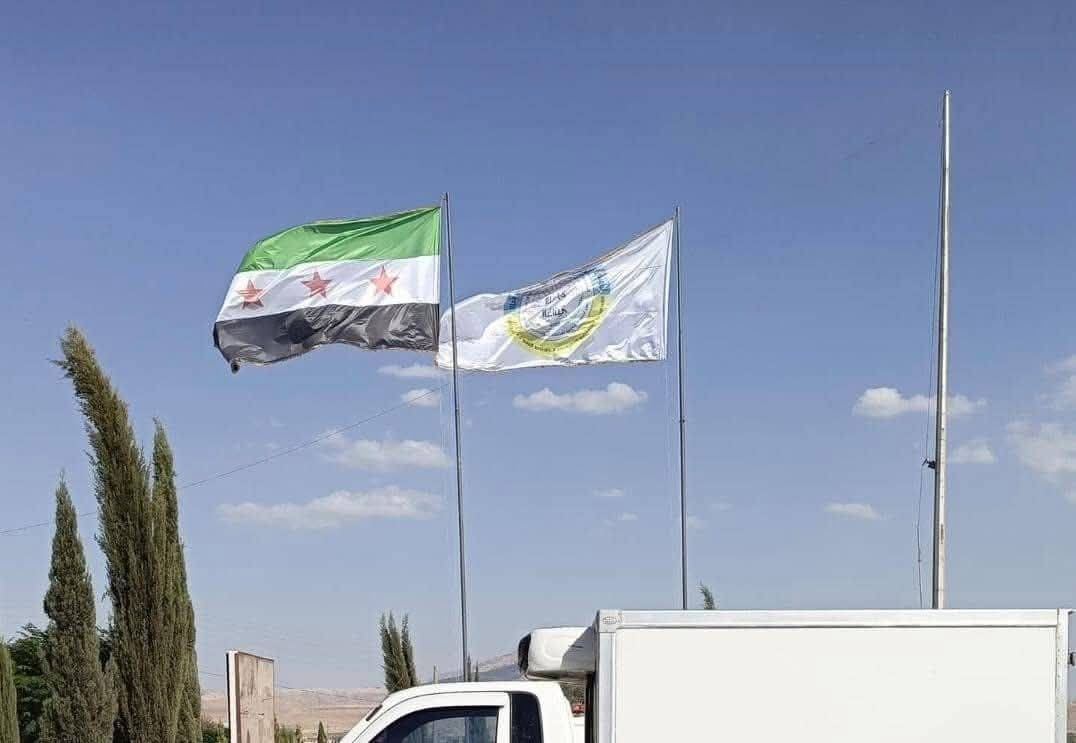
Attempts to bridge the divide through symbolic gestures or negotiations have largely failed to break the isolation. In late September, DAANES raised the Syrian flag alongside its own at the Semalka border crossing with the Kurdistan Region of Iraq for the first time. Alloush dismissed the move as "unilateral" and uncoordinated, claiming it was intended merely "to cause confusion." Furthermore, structural political disagreements persist regarding the status of Kurdish forces. While talks have occurred regarding integrating the SDF into the Syrian army, they have stalled; Damascus insists on absorbing fighters individually, whereas the SDF seeks to join as a unified military bloc.
Photo: Rudaw