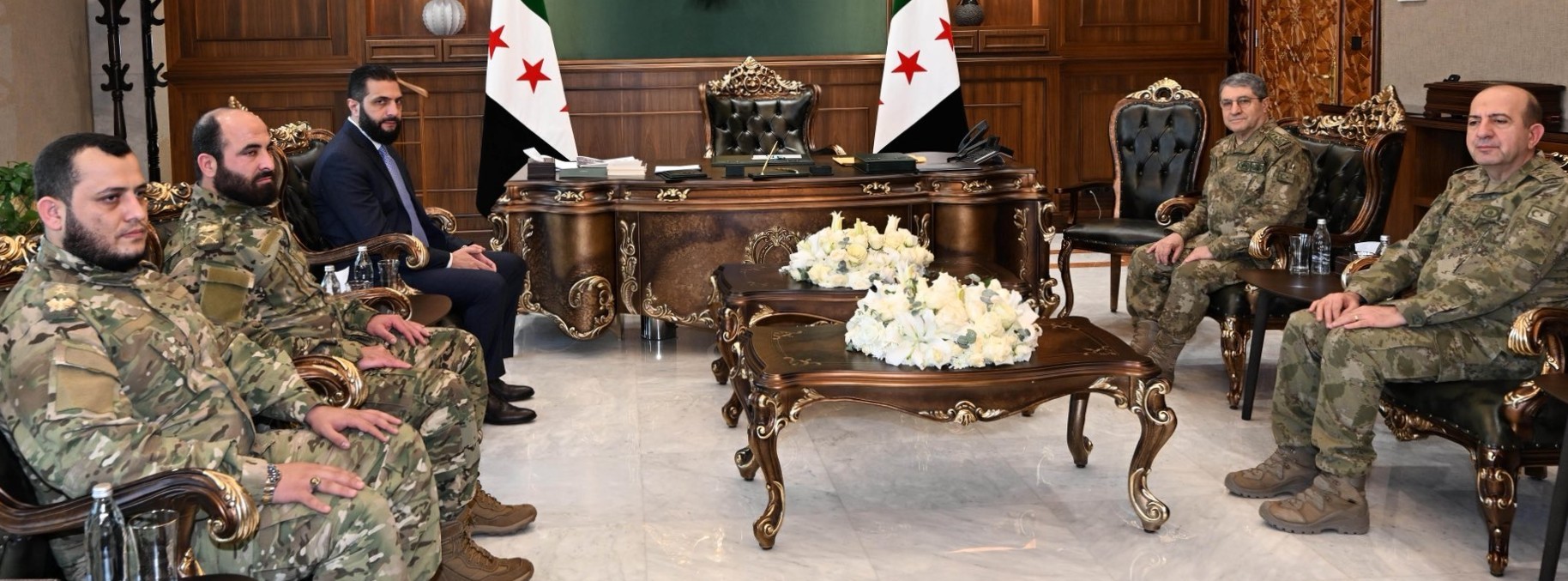
As Syria's new government marks its first anniversary on December 8, Turkey has issued three significant warnings to the PKK through the Syrian Democratic Forces (SDF), signaling that Ankara's patience may be wearing thin and the political atmosphere could shift dramatically.
According to political analyst Murat Yetkin, writing for T24, three distinct messages emerged from Ankara over the weekend: statements by Foreign Minister Hakan Fidan at the Doha Forum, the Damascus visit by Chief of General Staff General Selçuk Bayraktaroğlu, and a pointed warning from Presidential Legal Advisor Mehmet Uçum. Together, these communications serve as warnings to both the PKK and the SDF's patron, the United States.
Speaking at the Doha Forum, Foreign Minister Fidan accused the SDF of attempting to circumvent rather than honor existing agreements. "Signals from the SDF indicate they have no intention of complying with the agreement; instead, they are trying to undermine it," Fidan told Reuters during the forum. He emphasized that "no country can have two armies" and called for the immediate expulsion of non-Syrian elements within the SDF, specifically those from Iraq, Iran, and Turkey.
Fidan indicated that while the Syrian government and SDF could potentially reach their own arrangement, Turkey maintains serious concerns about PKK-affiliated elements within the organization whose sole objective is to wage struggle against Turkey.
The second message came through military channels. On December 5, General Bayraktaroğlu and Deputy Chief of General Staff General Levent Ergün visited Damascus, meeting with Syrian President Ahmed al-Sharaa and conducting inspections at the Joint Operations Center with Syrian military leadership. This high-level military engagement demonstrates Turkey's commitment to working directly with Damascus on security matters.
The third warning arrived on December 7 from Mehmet Uçum, who issued a stark message: "No one should fall into the delusion that they can achieve through law and democracy what they could not and never will achieve through terrorism." Uçum called on those responsible for completing the disarmament and dissolution process to resist saboteurs pushing impossible demands.
These warnings come amid growing tensions following the November 24 meeting between a Turkish parliamentary delegation and imprisoned PKK leader Abdullah Öcalan at İmralı Prison. While that meeting was part of Turkey's "Terror-Free Turkey" initiative, subsequent developments have raised concerns in Ankara.
Adding fuel to the fire, SDF commander Mazlum Abdi recently told the Jerusalem Post that the SDF had agreed with the Sharaa government to retain three divisions and two special battalions—a claim neither Damascus nor Ankara has confirmed. Abdi also expressed openness to Israeli support and advocated for continued US military presence in Syria.
Turkish officials view these developments as attempts to water down the peace process under US Central Command and Israeli influence. Sources in Ankara indicate that if the current "Terror-Free Turkey" initiative fails, there will be no fourth attempt at dialogue, following unsuccessful efforts during the 2009 Oslo talks and the 2012-2015 dialogue process.
The coming weeks will prove critical as Turkey weighs its options, with the possibility of renewed military operations remaining on the table should diplomatic efforts collapse.
Photo:T24