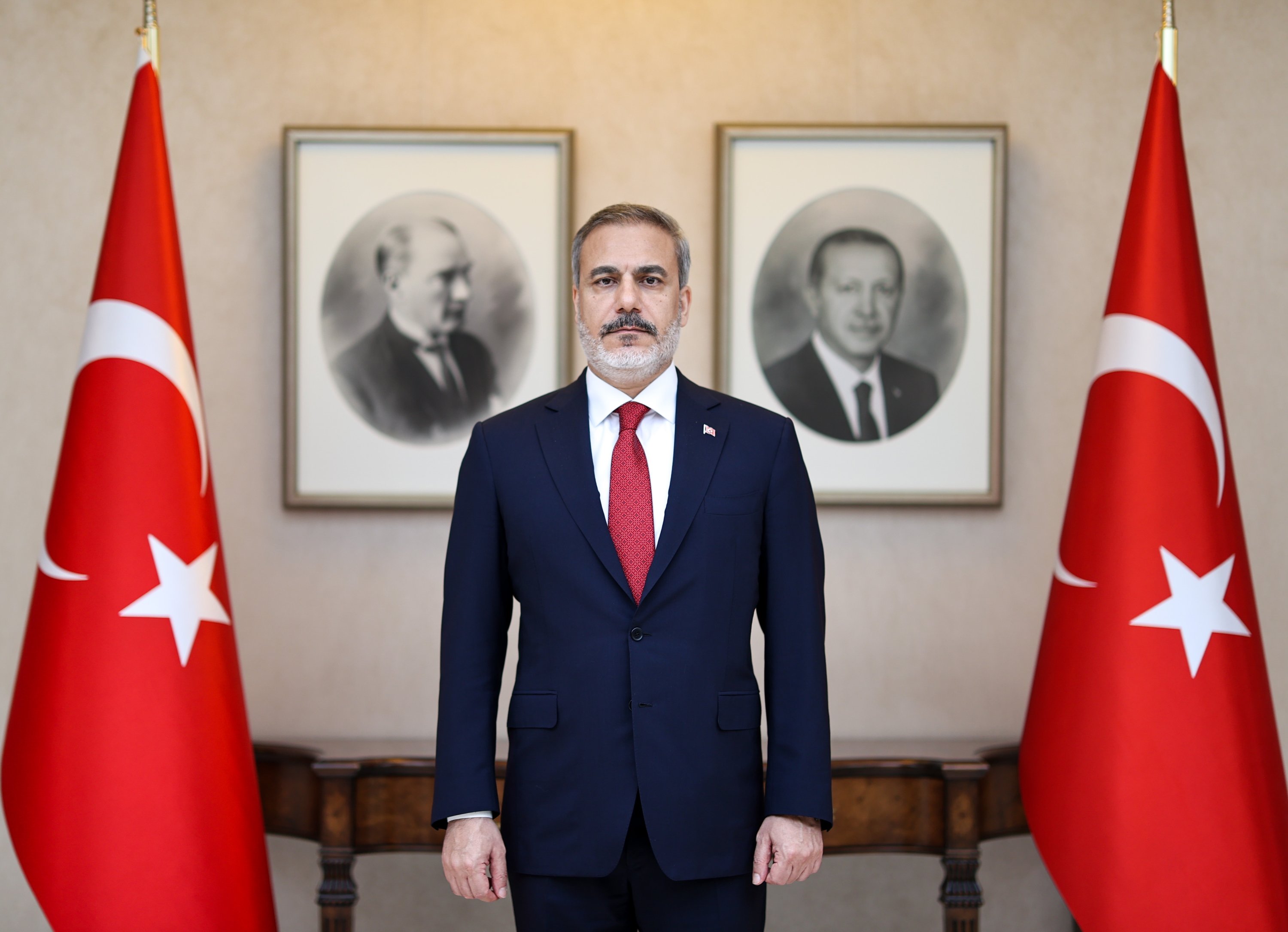
فيدان: على وحدات حماية الشعب الخضوع لإمرة الحكومة السورية


أنقرة تدعو إلى دمج جميع الفصائل المسلحة تحت مظلة جيش وطني موحد

أنقرة — طالب وزير الخارجية التركي هاكان فيدان بضرورة خضوع العناصر المسلحة التابعة لوحدات حماية الشعب الكردية لسلطة الحكومة السورية الجديدة، مؤكداً أنه لا يمكن لأي دولة أن تحتضن قوتين مسلحتين متوازيتين داخل حدودها.

وخلال كلمته الافتتاحية في المؤتمر الذي نظمته مؤسسة البحوث السياسية والاقتصادية والاجتماعية (سيتا) تحت عنوان "سوريا بعد عام: التعافي وإعادة الإعمار"، صرّح فيدان قائلاً: "يجب أن تدرك وحدات حماية الشعب أنه لا وجود لعنصرين مسلحين في أي دولة. إن القوات المسلحة التي بين أيديكم يجب أن تخضع لإمرة الحكومة السورية"، وذلك وفقاً لما نقله موقع "كيسا دالغا" التركي.

وتطرق وزير الخارجية إلى التحديات المستمرة التي يفرضها وجود وحدات حماية الشعب في شمال سوريا وشرقها، واصفاً إياها بقوة احتلال انتشرت على رقعة جغرافية واسعة تحت ذريعة محاربة تنظيم داعش، فيما تسيطر على موارد الطاقة الحيوية في المنطقة. وتساءل فيدان عما إذا كانت هذه الوحدات ستتوصل إلى تفاهم مع الإدارة السورية الجديدة، معتبراً هذا الملف من أبرز القضايا الملحة التي تواجه المنطقة في الوقت الراهن.

وكشف فيدان عن التوصل إلى اتفاق بين الأطراف في العاشر من مارس الماضي، غير أنه أعرب عن خيبة أمله إزاء غياب أي تقدم ملموس. وقال: "لم نشهد حتى الآن أي خطوات عملية في هذا الشأن"، مضيفاً أن وزير الخارجية السوري أسعد الشيباني أكد له خلال لقائهما الأخير على هامش منتدى الدوحة أنه لم تُحرز تطورات إيجابية تُذكر.

وتتمحور الرؤية التركية حول الحوار والتسوية السلمية. وأكد فيدان: "نحن في تركيا نؤكد دائماً على ضرورة المضي قدماً في هذه العملية، وحل القضايا بالطرق السلمية، وتجنب أي صراعات أو مواجهات جديدة لن تصب في مصلحة أي طرف. لذا، فإن دفع العملية من خلال الحوار يكتسي أهمية بالغة".

كما تناول الوزير تحديات إعادة إعمار سوريا، مشيراً إلى أن التقديرات تضع الاحتياجات المالية اللازمة لتلبية المتطلبات الأساسية للبلاد وإصلاح البنية التحتية وإعادة الحياة إلى طبيعتها عند نحو 216 مليار دولار. وشدد على أهمية التعاون الدولي والتنسيق الإقليمي في جهود إعادة بناء سوريا.

وفيما يتعلق بملف اللاجئين، جدد فيدان التزام تركيا بمبدأ العودة الطوعية والكريمة قائلاً: "أنتم تعلمون موقفنا تجاه المهاجرين وإخوتنا اللاجئين. ما يهمنا هو العودة الطوعية والكريمة، ولم نفرض قط أي إجراءات قسرية مهما بلغت أعدادهم".

وعقد فيدان مقارنة بين ممارسات نظام الأسد تجاه شعبه وسياسات رئيس الوزراء الإسرائيلي بنيامين نتنياهو في غزة، مؤكداً أن النظام السابق استنفد شرعيته ومبررات وجوده من خلال أفعاله. ووصف تغيير النظام بأنه بداية جديدة للشعب السوري، مشدداً على أن حل المشكلات الإقليمية يجب أن ينبثق من ملكية إقليمية حقيقية.

وأشاد وزير الخارجية بسياسة "الباب المفتوح" التي انتهجتها تركيا تجاه ضحايا الحرب، واصفاً إياها بالنموذج التاريخي للتضامن الإنساني، ومنوهاً بأن أنقرة حافظت على موقفها المبدئي رغم الانتقادات السياسية الداخلية والتكاليف الباهظة. وخلص إلى التأكيد على أن توحيد جميع الفصائل المسلحة في سوريا تحت مظلة جيش وطني واحد يُعد أمراً حيوياً لاستقرار البلاد وتنميتها الاقتصادية. 

Photo: Daily Sabah

More News

Iran’s Leaderless War Machine: The IRGC’s Autonomous Cells and the Escalation Nobody Controls

In the fog of a war that has already claimed Iran’s supreme leader and its top military brass, a new and perhaps more dangerous threat is emerging from the rubble of Tehran’s shattered command structure: a Revolutionary Guard Corps that, by design, no longer needs orders from above. Sources with direct knowledge of the situation confirm that Iran’s Islamic Revolutionary Guard Corps (IRGC) continues to prosecute strikes across the region not under the direction of the new Supreme Leader Mojtaba Khamenei, but according to pre-programmed autonomous protocols embedded deep within its decentralized “mosaic defense” architecture. The result is a war machine that has become, in the most literal sense, self-propelling — and increasingly difficult for anyone to stop. A New Supreme Leader With Limited Command Mojtaba Khamenei was formally elected Supreme Leader on 8 March 2026, succeeding his father Ayatollah Ali Khamenei, who was killed in the opening wave of the US-Israeli “Operation Epic Fury...

2026 US/Israel–Iran War Risk: Why the Chance of Escalation Is Meaningfully Elevated

As 2025 closes, the US/Israel–Iran confrontation is no longer a low-grade shadow struggle managed mainly through diplomacy and proxy conflicts ; it is an openly articulated deterrence contest in which leaders have publicly tied credibility to “red lines” and rapid retaliation. President Trump has stated that if Iran rebuilds its nuclear capabilities or continues rebuilding missile capacity , the response could be immediate and more severe—language that reduces room for quiet de-escalation once a new incident occurs.  At the same time, Iran has replied with warnings of harsh consequences for any renewed attacks, reinforcing a mutual-threat environment where misperception and political signaling can substitute for verifiable facts.  Against that backdrop, the key analytical point for 2026 is not whether a “full war” is the default outcome; it is that the probability that a limited clash escalates into a broader, sustained conflict is meaningfully elevated because the stabili...

Iran's Headscarf Rules Quietly Loosen — But No Law Has Changed

Bareheaded women appear openly in Tehran cafés and streets, yet activists warn the shift is fragile and the law remains on the books. Images have been circulating on social media of something that would have been almost unimaginable in Iran just a few years ago: women sipping coffee in Tehran cafés, strolling busy city streets, and sitting in restaurants — all without a headscarf. The scenes have ignited global attention and renewed debate over whether the Islamic Republic is quietly retreating from one of its most defining ideological pillars. For decades, wearing the hijab in public has been mandatory for all women in Iran — a rule enshrined in the Islamic Penal Code since 1983 and treated as a cornerstone of the clerical state established after the 1979 revolution. Violations could result in fines, arrest, or worse. Yet in recent weeks and months, enforcement appears to have noticeably slackened, at least in major urban centres. A Visible Shift on the Streets Reporters and residents...