Important note: Please note that the Arabic service of TLf is currently in a beta phase. We have launched this initiative with the support of our followers, volunteers, and AI technology. Please keep in mind that during this first phase, the Arabic text may contain slight phrasing or translation errors. We aim to launch a fully professional Arabic service in the near future.
يرجى العلم أن الخدمة العربية لـ TLf لا تزال في مرحلة تجريبية (Beta). لقد أطلقنا هذه الخدمة بدعم من متابعينا والمتطوعين وباستخدام تقنيات الذكاء الاصطناعي. يرجى أخذ العلم أنه في هذه المرحلة الأولى قد تحتوي النصوص العربية على بعض الأخطاء البسيطة في الصياغة أو الترجمة. نهدف في المستقبل القريب إلى إطلاق خدمة عربية احترافية بالكامل.
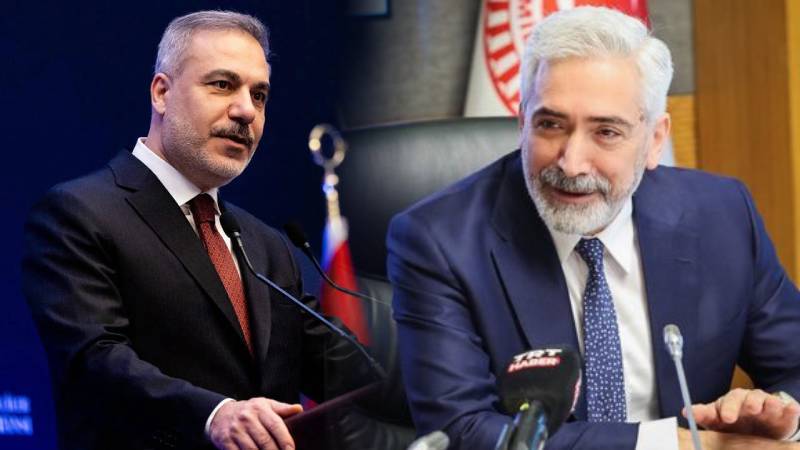
أطلق نائب بارز في حزب العدالة والتنمية الحاكم في تركيا (AKP) تذكيراً علنياً شديد اللهجة بأن السياسة الخارجية يحددها الرئيس رجب طيب أردوغان، وذلك عقب تصريحات لوزير الخارجية هاكان فيدان بشأن «قوات سوريا الديمقراطية» (قسد). وأثار هذا التدخل نقاشاً متزايداً في أنقرة حول احتمال وجود اضطراب—ليس بالضرورة في جوهر السياسة، وإنما في النبرة والانضباط في الرسائل—بين وزارة الخارجية وبعض الشخصيات السياسية داخل الكتلة الحاكمة.
وبحسب موقع T24، انتقد نائب دياربكر عن الحزب غالب إنصاري أوغلو لهجة تصريحات فيدان بشأن «قسد»، مؤكداً أن النظام الرئاسي في تركيا لا يتيح لأي مسؤول أن يتصرف خارج خط الرئيس. وقال إنصاري أوغلو: «الإرادة التي تحدد السياسة هي إرادة الرئيس»، مضيفاً: «الشخص الذي يُظهر موقفاً مخالفاً لإرادة الرئيس إما يترك المنصب أو يُقال».
وجاءت تصريحات إنصاري أوغلو خلال ظهوره على قناة Rûdaw في مقابلة أجراها معه الإعلامي هيفدار زانا. وحرص النائب على تقديم ملاحظاته باعتبارها نقداً لصياغة العبارات لا بوصفها قطيعة سياسية، مشيراً إلى إمكانية القول إن في صياغة فيدان «حدّة» فيما يخص سياسة سوريا أو أنها لا تعكس «روح المرحلة». ومع ذلك شدد على أن «السياسة النهائية يحددها الرئيس في نهاية المطاف، والكلمة الأخيرة له».
وتزامنت هذه التصريحات مع استمرار أنقرة في الدفع بمسار «تركيا بلا إرهاب» (Terörsüz Türkiye) وما يرتبط به من عمل برلماني. وقال إنصاري أوغلو إن «لجنة التضامن الوطني والأخوة والديمقراطية» تقترب من المرحلة النهائية لأعمالها، ومن المتوقع أن تُعد تقرير توصيات مشتركاً بناءً على مذكرات مقدمة من الأحزاب السياسية. واعتبر أنه بعد عودة البرلمان للانعقاد عقب رأس السنة، ينبغي أن تكون أولوية المرحلة تسريع المسار عبر خطوات ملموسة.
كما نفى إنصاري أوغلو وجود احتكاك بين حزب العدالة والتنمية وحليفه القومي حزب الحركة القومية (MHP) بشأن جدل «الحق في الأمل»—وهو موضوع يرتبط في النقاش العام بمستقبل الوضع القانوني لزعيم حزب العمال الكردستاني المسجون عبد الله أوجلان. وقال: «لا يوجد تناقض»، مع إقراره بأن الحزبين منفصلان ولن يتفقا على كل التفاصيل. واعتبر أن التركيز في هذه المرحلة يجب أن ينصب على إخراج العنف من المعادلة وصياغة خارطة طريق لنزع السلاح ومصير العناصر المسلحة و«الاندماج الاجتماعي»، بدلاً من ربط المسار بالكامل بمستقبل أوجلان.
وعن الترتيبات القانونية المحتملة، قال إنصاري أوغلو إن عملاً فنياً جارياً وإن «عدة صيغ مختلفة» قيد النقاش. وشدد على أن أي تنظيم محتمل لا ينبغي أن يشمل المدانين في قضية محاولة الانقلاب عام 2016 التي تنسبها أنقرة إلى «فتح الله غولن» (FETÖ)، ولا عناصر تنظيم داعش أو المنظمات الإجرامية الأخرى. وانتقد أيضاً توقيت تجمع لحزب «الديمقراطية والمساواة للشعوب» (DEM) مقرر في 4 يناير/كانون الثاني، محذراً من أن الخطوات التي تؤجج الحساسيات قد تعزز «القومية المضادة» وتمنح ذخيرة لجهات تسعى إلى تخريب المسار.
أما تصريحات فيدان التي أثارت هذا الرد، فقد جاءت في مقابلة مع TRT World. وقال وزير الخارجية إن تنفيذ اتفاق 10 مارس/آذار بين الحكومة السورية و«قسد» قد تأخر، ودعا «قسد» إلى الالتزام به «من دون تأخير». وأضاف أن «صبر الجهات المعنية ينفد»، مع تأكيده أن تركيا تأمل أن تسير التطورات عبر الحوار والتفاوض وبوسائل سلمية.
الصورة: T24