Deposed Syrian president Bashar al-Assad is living a secluded life of luxury in Russia and the United Arab Emirates, largely cut off from both Syrian and Russian political circles, according to multiple sources and leaked data. Fourteen years after a teenage graffiti warning – “It’s your turn, Doctor” – heralded Syria’s descent into brutal conflict, the former London-trained ophthalmologist has traded dictatorship for an obscure existence on Moscow’s affluent outskirts.
Reporting by William Christou and Pjotr Sauer for The Guardian, based on a family friend, sources in Russia and Syria, and leaked Russian data, offers a rare glimpse inside the once untouchable Assad household. Their investigation describes a toppled strongman “brushing up on his ophthalmology” in Moscow classrooms, studying Russian and contemplating a return to medical practice, potentially serving the city’s wealthy elite.
Assad fled Damascus with his sons in the early hours of 8 December 2024 as rebels closed in on the capital from the north and the south. Escorted by Russian forces to the Khmeimim airbase, they were flown to safety, leaving behind relatives and regime insiders who say they received no warning. One acquaintance of Assad’s powerful brother Maher claims Maher was desperately trying to reach Bashar as the capital fell, only to find the palace abandoned so hastily that rebels discovered his shisha coals still warm.
Now, sources say, the Assad family are believed to reside in Rublyovka, the heavily guarded enclave favoured by Russia’s political and business elite and other deposed leaders such as former Ukrainian president Viktor Yanukovych. Western sanctions imposed in 2011 had already pushed the Assads to move much of their wealth into Russia, ensuring that in exile they are not short of money.
Yet the former ruler’s status in Moscow appears diminished. A source close to the Kremlin describes Assad as “irrelevant” to President Vladimir Putin and Russia’s inner circle. Russia’s ambassador to Iraq, Elbrus Kutrashev, has publicly confirmed that Assad is barred from any political or media activity, noting that while he is “safe and alive”, he “may live here but cannot engage in political activities”.
The family’s initial months in Russia focused on the health of Asma al-Assad, the British-born former first lady, whose long-term leukaemia had become critical. According to a source familiar with her case, she has since recovered following experimental treatment overseen by Russian security services. With her condition stabilised, Assad has reportedly prepared interviews with Kremlin-backed broadcaster RT and a prominent rightwing American podcaster, though Russian authorities have yet to permit any public appearance.
The couple’s children appear to be adapting more visibly to their new surroundings. Leaked data and eyewitness accounts indicate they have embraced the lifestyle of Moscow’s upper class, frequenting luxury boutiques, beauty salons and elite gyms. The only public sighting of the family together – without Bashar – came at daughter Zein al-Assad’s graduation in June from MGIMO, the prestigious Moscow university that trains much of Russia’s diplomatic corps. Witnesses say the family kept a low profile and left quickly, avoiding the stage photographs other families took.
Hafez al-Assad, once widely viewed as Bashar’s heir apparent, has largely disappeared from public view after a February Telegram video in which he defended the family’s flight from Damascus and insisted Moscow ordered their departure. Syrian social media users promptly geolocated him on the streets of Moscow. Since then, he has shut down most public accounts and reportedly uses pseudonyms online.
Leaked flight records suggest the UAE remains a favoured destination for the Assad children, who travel regularly between Abu Dhabi and Moscow. The family had hoped to relocate there permanently, but sources say even the UAE – known for sheltering controversial figures – is reluctant to host a deposed leader whose rule left more than 620,000 dead and nearly 14 million displaced.
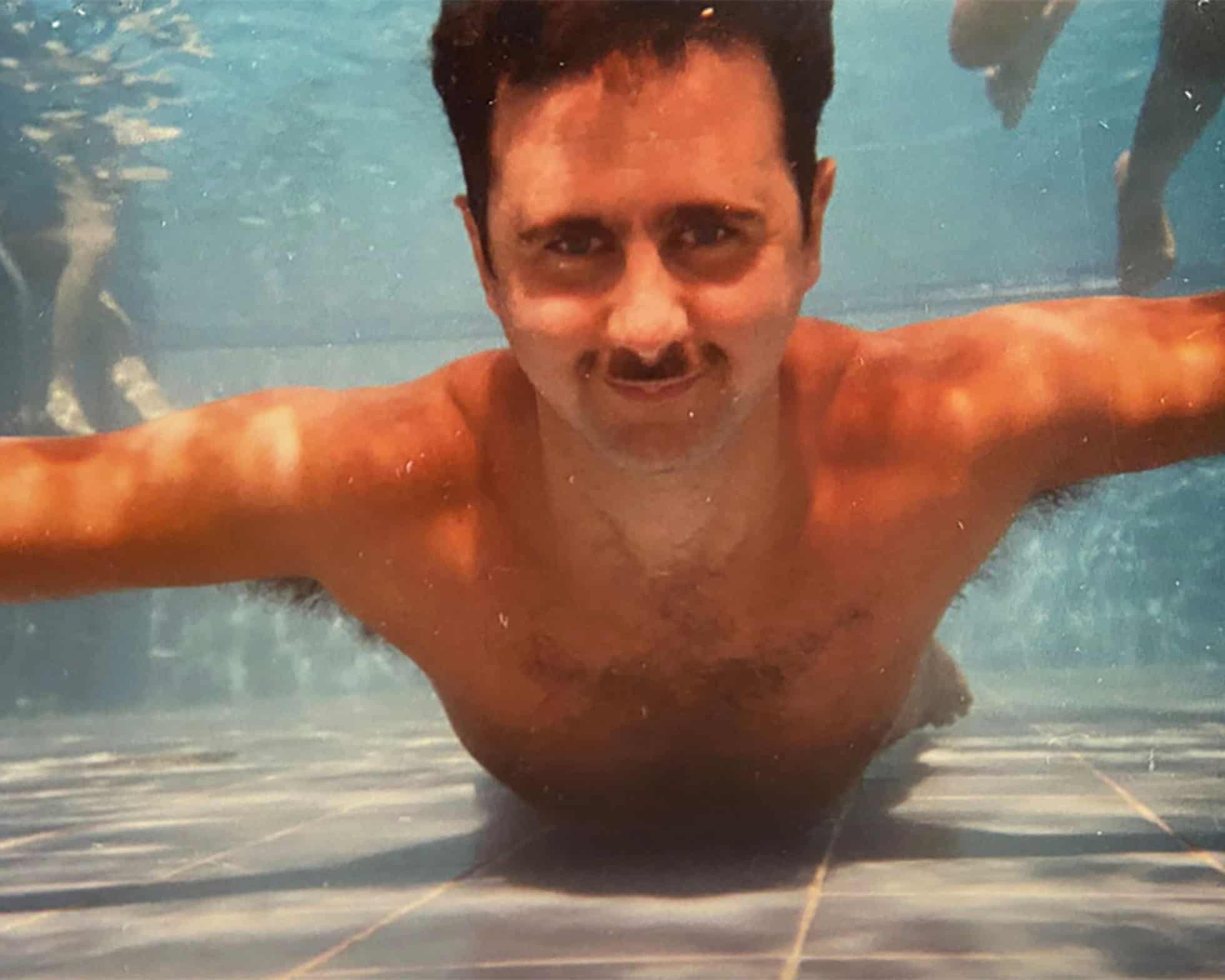
As rebels circulated intimate photos from abandoned Assad residences – including images of a young Bashar in underwear and swimming – the carefully maintained image of the aloof, unshakeable ruler gave way to glimpses of an unexpectedly private man. Yet, as analyst Kamal Alam notes, even after the regime’s fall, the family remains intensely secretive. For Syrians who endured 14 years of war and repression, the reality of Assad’s quiet exile in Moscow underscores a final, bitter reversal: the dictator survived his downfall, but only as a sidelined figure living under the protection, and control, of the Kremlin.
Photo: The Guardian