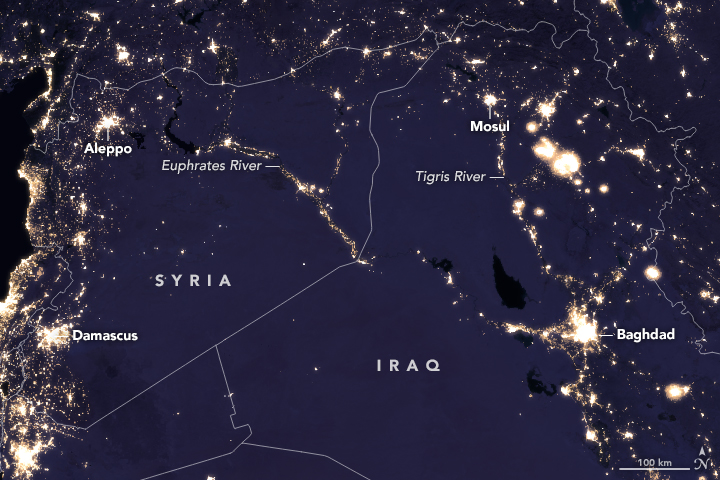
As the world approaches 2026, the Middle East stands precariously atop a "geopolitical volcano," with intersecting lines of fire spanning Syria, Lebanon, Gaza, and Israel. The region is currently transitioning into a volatile new phase where military force is being interchanged with high-stakes diplomatic maneuvering, yet weapons remain the primary tool for leverage and reshaping the balance of power.
According to an analysis published by the Arab newspaper Raialyoum, penned by Jordanian political writer Dr. Maysa Al-Masri, the region is entering a critical period described by senior Israeli analysts as the "twilight of war." This phase represents a fragile moment where unstable truces overlap with the engineering of political and security arrangements that will determine the shape of the Middle East for years to come. Dr. Al-Masri notes that while the mode of conflict is shifting, the danger is intensifying rather than receding.
At the center of this shift is the intervention of U.S. President Donald Trump, who is reportedly pushing for a transition from active combat to diplomatic security arrangements to stabilize the region for American economic interests and to counter Chinese and Russian influence. Under this pressure, Israeli Prime Minister Benjamin Netanyahu has taken initial steps, such as sending civilian representatives for direct negotiations with Lebanon and agreeing to a nominal opening of the Rafah crossing. However, these diplomatic gestures are accompanied by continued aerial escalation in Syria and Lebanon.
Syria is identified as the "weakest link" in this unfolding scenario. The report details the resurgence of the former regime’s supporters, backed by complex financial networks in Moscow and Abu Dhabi and a "deep state" military organization comprising nearly 67,000 fighters and underground bunkers. The inability of the interim authority to control these militias creates a real probability of an internal explosion or civil war. This chaos threatens to spill over into Jordan, which faces strategic anxiety regarding refugee waves and armed infiltration, and complicates the position of Russia, which is playing a "double game" to maintain its coastal bases.
Simultaneously, the situation in Lebanon remains critical. Washington has reportedly issued a deadline of December 31 for the disarmament of Hezbollah. While the group is financially drained and has lost significant missile capabilities, it is rebuilding its strength through drone warfare. Israel, fearing a multi-front war involving thousands of ballistic missiles targeting Tel Aviv, is shifting its military strategy from containment to pre-emptive strikes across seven potential theaters of conflict, including Iran and the Red Sea.
The current landscape suggests the Middle East is facing a new "zero hour." As major powers attempt to reshape the region and internal fronts erode, the transition is not merely toward diplomacy, but toward a new, unpredictable form of conflict that may prove more dangerous than the wars preceding it.
Photo: NASA