Former lawmaker Mustafa Yeneroğlu argues the answer is not “new bunks” or periodic, constitution-skirting amnesties, but rebuilding legal predictability, economic fairness and the social state. He made the case in his Serbestiyet essay, dated Dec. 30.
The Justice Ministry says the 11th Judicial Package, now in force after publication in the Official Gazette, could release more than 50,000 inmates in an initial phase. Technical tweaks to supervised release and conditional parole could lift that figure toward 120,000 over the medium term. The move recalls earlier broad execution arrangements that freed tens of thousands in 2020 and 2023.
Yet repeated packages have not delivered lasting relief. Since 2010, Turkey’s overall population has risen by about 20%, while the prison population has jumped by roughly 450% to more than 433,000, figures cited in Yeneroğlu’s analysis show. Overcrowding persists despite rapid prison construction, suggesting that crime-producing pressures and repeat offending are rooted beyond the prison walls.
The commentary links the trend to “relative deprivation”—a sense of exclusion and injustice that deepens when inflation erodes purchasing power and inequality hardens. As belief fades that education and work can deliver mobility, shared norms weaken, and illicit options can look less distant.
Education figures add to the warning. Justice Ministry data cited in the piece indicates around 100,000 prisoners are either illiterate or have only primary schooling. Early school exit, the analysis argues, strips young people of skills and the daily structure and social ties that can deter criminal involvement.
Urbanization provides a geographic backdrop. Unplanned growth in major cities has produced neighborhoods where housing, services and jobs lag behind migration, reducing informal community oversight and leaving space for criminal networks. The sharpest accelerant is narcotics: roughly four in ten inmates—about 150,000 people—are incarcerated for drug-related crimes, described as a “locomotive” offense that pulls theft and violence in its wake.
Critics also point to weakened deterrence. Frequent execution changes, long trials and shifting rules can entrench an “I’ll get out anyway” expectation, while overcrowded facilities struggle to rehabilitate. Yeneroğlu notes that prisons operating well beyond capacity crowd out education, counseling and work programs, and that the stigma of being an “ex-convict” can push people back toward the same networks without real follow-up support.
Yeneroğlu’s prescription is preventive: equal access to quality schooling, neighborhood-level social services, credible post-release housing and employment support, transparent and predictable sentencing, and alternatives to incarceration for low-risk offenses. He says public safety should be judged not by full prisons but by lasting trust in streets, schools and everyday life. Whether the package marks a turning point will depend on cutting crime, not just cutting headcounts.
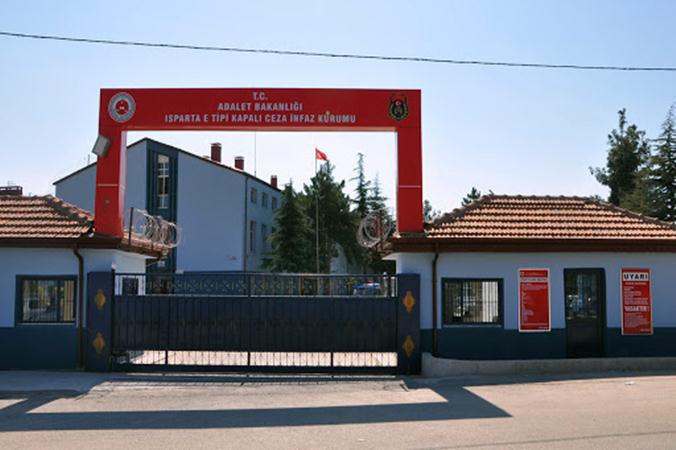
Photo: Turkish Justice Ministry