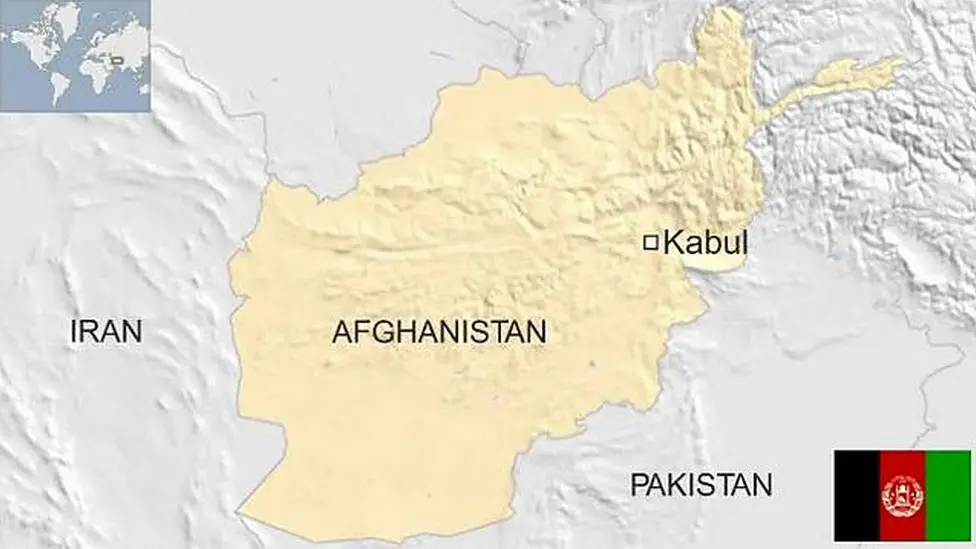
According to Afghan broadcaster Tolo News, the visit was expected to follow the latest round of Istanbul talks on Afghanistan, but no official schedule has been released and neither Ankara nor Islamabad has confirmed when — or if — the delegation will arrive.
Responding to questions about the delay, Pakistan’s Ministry of Foreign Affairs insisted that Islamabad is prepared to host the Turkish team and engage in dialogue aimed at reducing tensions with the Taliban-led Islamic Emirate of Afghanistan. A ministry spokesperson stressed that Pakistan bears no responsibility for the holdup.
“Let me emphasize that it is not attributable to Pakistan's cooperation that the Turkish delegation has not arrived yet. Pakistan was open, and stands ready,” Foreign Ministry spokesperson Tahir Andrabi said, adding that the delay appears to stem from “scheduling issues” and “perhaps by lack of cooperation from the Taliban.”
“This you have to ask the Taliban regime,” he added, suggesting that any questions about the status of the mission should be directed to Kabul rather than Islamabad.
The uncertainty over the Turkish initiative comes as regional actors voice growing concern about the escalating friction between Pakistan and Afghanistan. Malaysian Prime Minister Anwar Ibrahim, in a recent phone call with Pakistan’s Prime Minister Shehbaz Sharif, expressed alarm over rising tensions and stressed the importance of pursuing a peaceful, negotiated solution.
Analysts are divided over where the primary responsibility lies. Wahid Faqiri, an international affairs analyst, argued that Pakistan has taken an “oppressive and unjust” stance and has not responded constructively to diplomatic overtures from Kabul. “The blame for these tensions falls on Pakistan, as its position has been oppressive and unjust,” Faqiri said. “The Taliban have made considerable efforts to resolve the issue through dialogue, but so far, Pakistan has not shown good faith in coming to the negotiation table.”
The planned Turkish mission was announced at the conclusion of the third round of Istanbul talks on Afghanistan, where Turkish President Recep Tayyip Erdoğan said a senior delegation would travel to Pakistan to help mediate. The team is expected to include Turkey’s foreign minister, defense minister, and intelligence chief, underscoring Ankara’s intent to play a more active diplomatic role in managing the fallout from Kabul–Islamabad tensions.
For now, the absence of a clear timetable for the Turkish visit underscores the fragility of the mediation effort. With both Pakistan and Afghanistan facing domestic security and economic pressures, regional stakeholders are watching closely to see whether Ankara’s initiative can move beyond announcements and translate into concrete steps toward de-escalation — or whether the window for a negotiated easing of tensions will narrow further.
Photo/Map: BBC