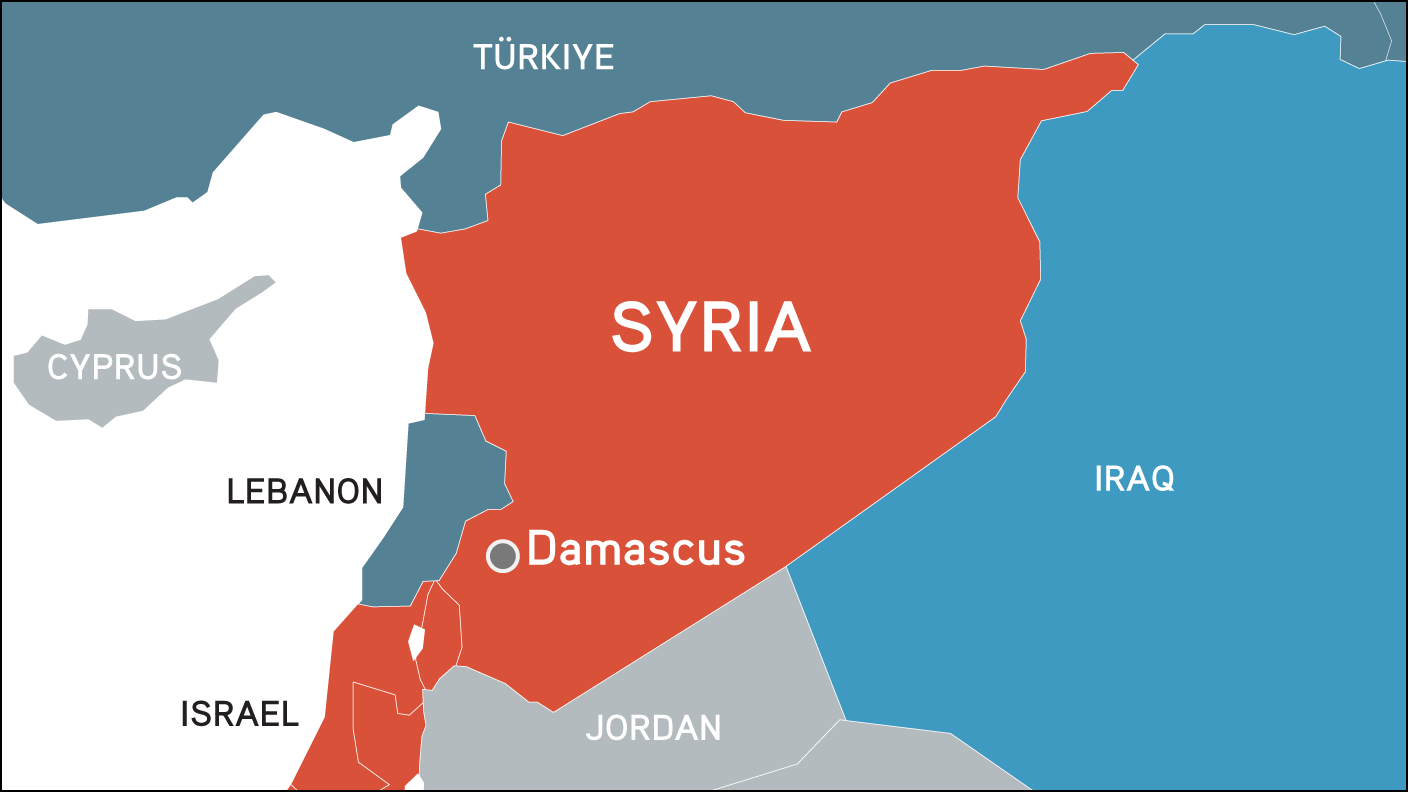
Renewed fighting broke out between Syrian government forces and the Kurdish-led Syrian Democratic Forces (SDF) on January 5-6, 2026, marking a significant escalation in tensions following the collapse of a landmark integration agreement that was supposed to unite the two military forces by year's end.
The violence, concentrated in Aleppo's predominantly Kurdish neighborhoods of Sheikh Maqsoud and Ashrafiyeh, as well as in rural areas near Deir Hafer in eastern Aleppo province, has left multiple people dead and raised serious questions about the future of Syrian territorial unity.
Disputed Casualty Figures
As is often the case in Syria's complex conflict, the two sides presented sharply different accounts of the violence.
The Syrian Defense Ministry reported that three soldiers were killed and multiple others wounded in the fighting. Additionally, nine employees of the Aleppo Directorate of Agriculture were injured by what officials described as SDF shelling of civilian infrastructure.
Cross-verified reports from international monitoring organizations suggest the actual death toll may be higher, with at least four to seven fatalities confirmed across multiple sources, including both military personnel and civilians.
The human cost extended beyond combatants. Three civilians, including two women, were reportedly killed by shelling, while additional wounded included two children. The SDF, for its part, claimed that Syrian government drone strikes killed one resident of Sheikh Maqsoud and wounded two children in the neighborhood.
Multiple Fronts, Multiple Weapons
According to information obtained by The Levant Files from various Syrian sources, the fighting unfolded across multiple locations, involving an array of weapon systems that underscored the intensity of the confrontation.
In Aleppo city proper, residents reported heavy machine gun fire and artillery exchanges in Sheikh Maqsoud and Ashrafiyeh — densely populated neighborhoods that have long served as flashpoints between government and Kurdish forces.
Near Deir Hafer, approximately 60 kilometers east of Aleppo, Syrian government forces launched operations targeting what they described as SDF drone-launching positions. Military sources indicated the strikes came after intelligence located such facilities in the area.
Fighting also continued near the strategically vital Tishrin Dam on the Euphrates River, with both sides employing mortars, drones, and artillery in exchanges around the critical infrastructure.
In one of the most significant incidents, SDF forces targeted a Syrian government military vehicle on Castello Road, a key northern artery into Aleppo. The attack killed one soldier and injured four others belonging to the 72nd Division.
Blame Game Intensifies
Both parties issued statements with fundamentally incompatible narratives about the origins and conduct of the fighting.
The Syrian Defense Ministry accused the SDF of deliberately targeting military checkpoints and residential areas, while pledging that the government's response would remain "limited" — language that appeared designed to signal restraint while reserving the right to escalate.
The SDF categorically denied responsibility for civilian casualties, instead accusing government forces of launching "planned and deliberate" attacks on residential neighborhoods. Kurdish military officials specifically alleged that Syrian forces had targeted water and electricity infrastructure, describing such actions as violations of international humanitarian law.
Failed Talks Set Stage for Violence
The timing of the clashes is particularly significant. The fighting erupted just hours after diplomatic talks on January 5 between SDF Commander-in-Chief Mazloum Abdi and Damascus officials ended without agreement.
Under the terms of a March 2025 accord, the SDF was required to integrate into Syria's reconstituted national army by the end of 2025. That deadline passed without resolution, leaving the two forces in a legal and military limbo.
The core dispute centers on the structure of any integration. Damascus has insisted on a unified command structure that would effectively dissolve the SDF as an autonomous entity. Kurdish leaders, however, have pushed for a decentralization model that would allow them to maintain organizational cohesion and a degree of self-governance in northeastern Syria.
Turkish Factor Complicates Equation
Analysts note that the involvement of Turkish-backed militia factions in Syria's newly reconstituted national army adds a particularly volatile dimension to the standoff.
These groups, which fought against Kurdish forces for years in northern Syria, maintain deep historical animosity toward the SDF and its political leadership. Their presence in the same military structure the SDF is being asked to join has heightened Kurdish concerns about security guarantees and command arrangements.
"The SDF is being asked to subordinate itself to an army that includes forces they've been fighting for nearly a decade," said one regional analyst who requested anonymity to speak candidly. "Without robust guarantees, that's a very difficult proposition."
Fragile Calm Returns — For Now
By the evening of January 6, observers reported that a "tense calm" had returned to the contested areas. However, no formal ceasefire agreement was announced, leaving the situation precarious.
The fighting represents the most serious military confrontation between Syrian government forces and the SDF since the March 2025 agreement, and signals a potentially dangerous new phase in post-war Syria's internal politics.
With integration talks stalled, mutual accusations flying, and both sides maintaining significant military capabilities, the path forward remains deeply uncertain.