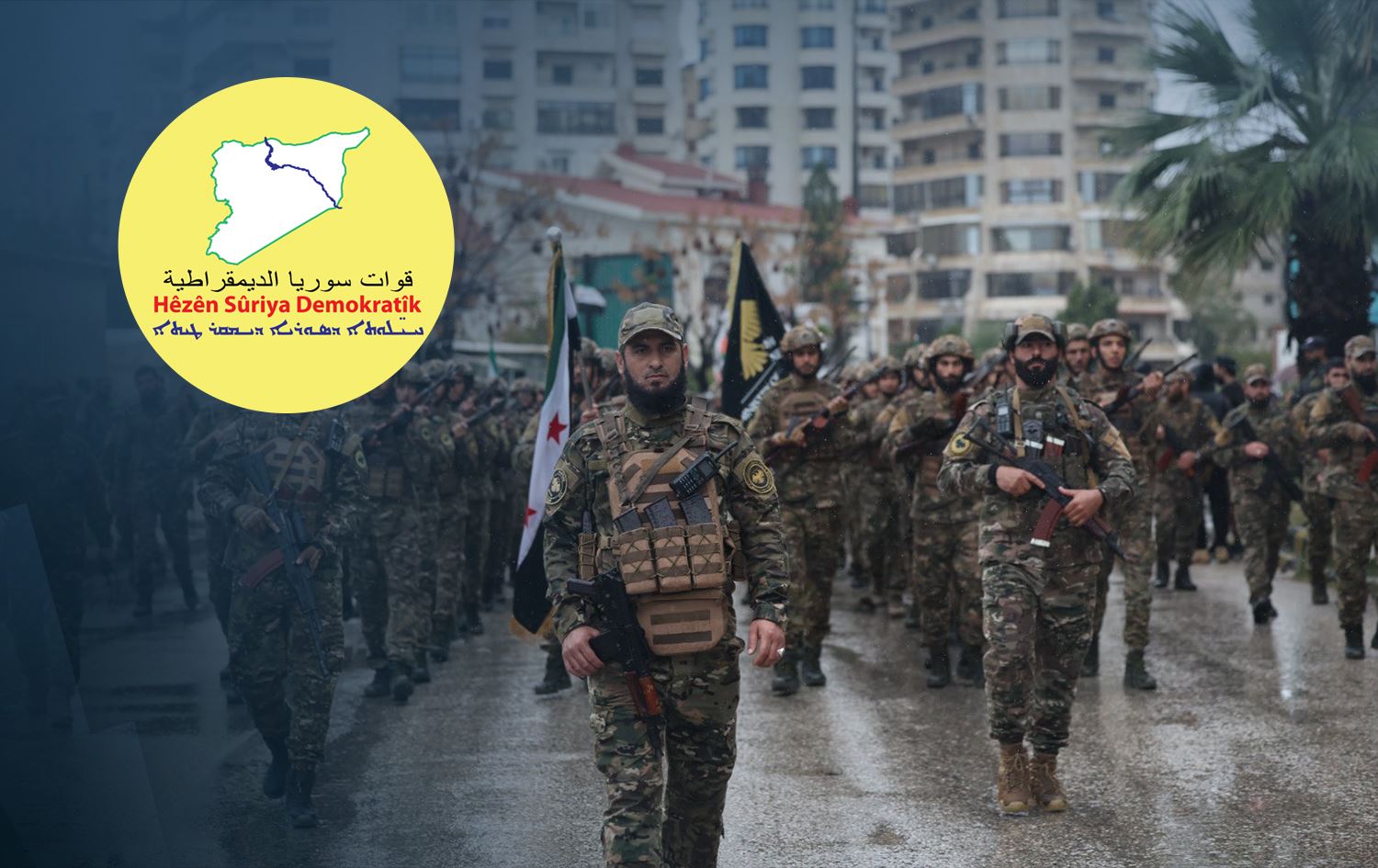
Violent clashes erupted Monday near two major prisons holding thousands of Islamic State (ISIS) fighters in northeast Syria, threatening the fragile ceasefire between the Syrian Democratic Forces (SDF) and Damascus that took effect just 24 hours earlier. The Kurdish-led SDF reported a "serious escalation" by Damascus-affiliated armed groups in Hasaka and Raqqa provinces, with one facility already lost to government forces.
According to Rudaw, armed factions affiliated with the Damascus government launched attacks on SDF positions in Ain Issa in northern Raqqa, al-Shaddadi in southern Hasaka, and Raqqa city. The SDF warned in a statement that "violent clashes are underway between our forces and those factions in the vicinity of al-Aqtan Prison in Raqqa, which houses detainees from the ISIS terrorist organization, representing an extremely dangerous development".
Loss of Control Over Key Detention Facility
In a particularly alarming development, the SDF announced that armed groups had also launched an assault near al-Shaddadi prison, which holds thousands of ISIS members. The Kurdish-led forces reported that "intense clashes with our forces tasked with protecting the prison" were underway before confirming that the al-Shaddadi prison "is no longer under our forces' control". The facility is one of several detention centers in northeast Syria that collectively house more than 9,000 ISIS prisoners, including many foreign fighters.
The SDF warned that the capture of these prisons by Damascus-affiliated armed groups could lead to serious security repercussions, threatening regional stability and potentially enabling a resurgence of ISIS terrorism. Foza Alyusuf, a senior member of Rojava's ruling Democratic Union Party (PYD), called on "Kurdistani forces to declare a general mobilization," warning that "Kurds in Rojava face the threat of extermination" and noting that "the ceasefire announcement by the Damascus [interim] government has not been upheld".
Ceasefire Agreement Signed Just Hours Before
The escalation comes less than 24 hours after Syrian interim President Ahmed al-Sharaa announced late Sunday that he had signed a comprehensive 14-point agreement with SDF commander Mazloum Abdi to halt ongoing violence in northeast Syria and integrate Kurdish-administered areas into state institutions. The landmark deal stipulates the integration of the SDF and its Internal Security Forces (Asayish) into Syria's defense and interior ministries, as well as the immediate handover of Deir ez-Zor and Raqqa provinces by the Kurdish-led Democratic Autonomous Administration of North and East Syria.
Under the accord, Damascus assumed responsibility for ISIS detainees and their families currently held by the SDF, with the agreement granting SDF leadership the right to submit nominees for senior military, security, and civilian posts. Al-Sharaa is expected to issue a decree appointing one SDF nominee as governor of Hasaka. US special envoy Tom Barrack hailed the agreement as a significant step towards a "unified Syria," with Washington particularly concerned about preventing any ISIS resurgence following a deadly attack on US personnel in Palmyra last December.
SDF Commander's Response
In a late-night video message on Sunday, SDF commander Abdi said his forces remain determined to protect the achievements of Rojava despite the "war" being imposed on them. "This war was imposed on us, we sought to prevent it, but unfortunately, because it was planned by many forces, it was intended to become a civil war," Abdi stated, explaining that the SDF agreed to withdraw from Deir ez-Zor and Raqqa to Hasaka to prevent further bloodshed. On Monday, Abdi arrived in Damascus to meet with al-Sharaa for further talks aimed at consolidating the ceasefire and clarifying unresolved issues.
The renewed violence raises serious questions about the viability of the integration agreement and the security of facilities housing tens of thousands of ISIS fighters and their families, a concern that has alarmed international partners including the United States.
Photo: Rudaw