Le Monde Editorial
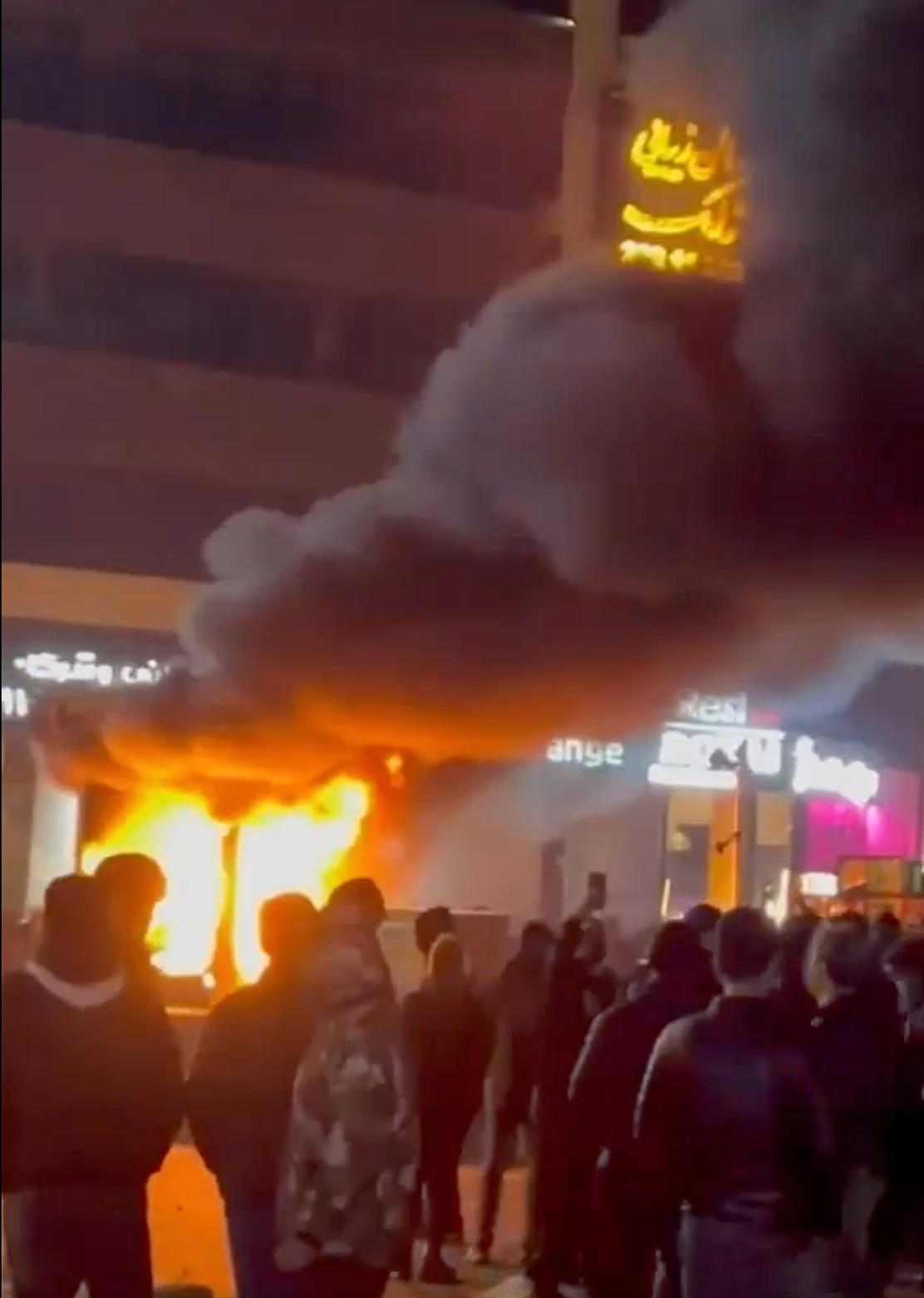
Once again, the Iranians have taken to the streets. Once again, they have run up against a brutal crackdown, which has already killed about 50 people and, with the shutdown of internet access since Friday, January 9, only further intensified. It comes just over two years after the bloody repression of the "Woman, Life, Freedom" movement, which was sparked by the death of a young woman, Mahsa Amini, at the hands of the country's morality police over an allegedly improperly worn headscarf. Now, the country's worsening economic crisis is the spark that has reignited the flames of protest.
Rising food prices had already triggered riots in 2018. The following year, an increase in gas prices produced the same result. In the final days of 2025, the protest movement sprang from Tehran's Bazaar. This time, it was fueled by the national currency's collapse, which has driven up inflation and heightened fears of unending impoverishment.
This succession of crises might be seen as a sign of powerlessness. Yet every uprising and every deadly repression has only further undermined the regime's legitimacy, with it being seen as increasingly hostile to its people, indifferent to their suffering and attached to privileges that have become ever more intolerable.
Whether the spark is societal or economic, it invariably leads to a widespread rejection, and does so more rapidly each time. Not only a rejection of the regime, but also of its strategic priorities: the pursuit of a nuclear program, which has brought devastating international sanctions and strikes by Israel and the United States in June 2025, and costly support for an increasingly hollowed-out alliance, the so-called "axis of resistance," in the Near and Middle East. Between a dictatorship and economic collapse at home and setbacks abroad, it is difficult to imagine a worse track record.
None of Iran's institutional mechanisms are still capable of absorbing such a divide. Since at least the 2009 presidential election, the rigged results of which was followed by a powerful protest movement that was also crushed by force, Iranian citizens have stopped expected anything from elections they see as shams.
Denial and Threats
The Islamic Republic of Iran has become an empty shell, and each outburst of a protest movement has invariably escalated into a radical denunciation of the man who personifies the regime: the Supreme Leader, Ali Khamenei, who has held power for nearly 37 years, propped up by the regime's praetorian guard, the Islamic Revolutionary Guard Corps.
As always, the Supreme Leader has responded to the unrest with denial and threats. On January 9, in yet another sign of how out of touch with the people he is, he once again accused protestors of being "mercenaries" serving foreign interests. Yet systematically blaming the US, even when Donald Trump lends credence to his claims by threatening intervention, no longer fools anyone.
Admittedly, the current protest movement suffers from the same weaknesses as previous ones: a lack of organization and recognizable leaders to embody it. This vacuum is maintained by the police state, which grants itself virtually unlimited power when its control is challenged. It also explains the calls for restoring Iran's monarchy, the system overthrown by the 1979 Islamic Revolution. The monarchy had many excesses, the memories of which have faded with time. All of the signs suggest that the regime is incapable of hearing the demands from the street or drawing any lessons from them, whether for how it operates or its goals. Yet if it still believes it can survive through terror alone, it is dooming itself, sooner or later, to collapse.
* This analysis was first published on 10 January 2026 in Le Monde as editorial piece. The opinions expressed in the article do not necessarily align with TLF’s official editorial line.
Photo: The source