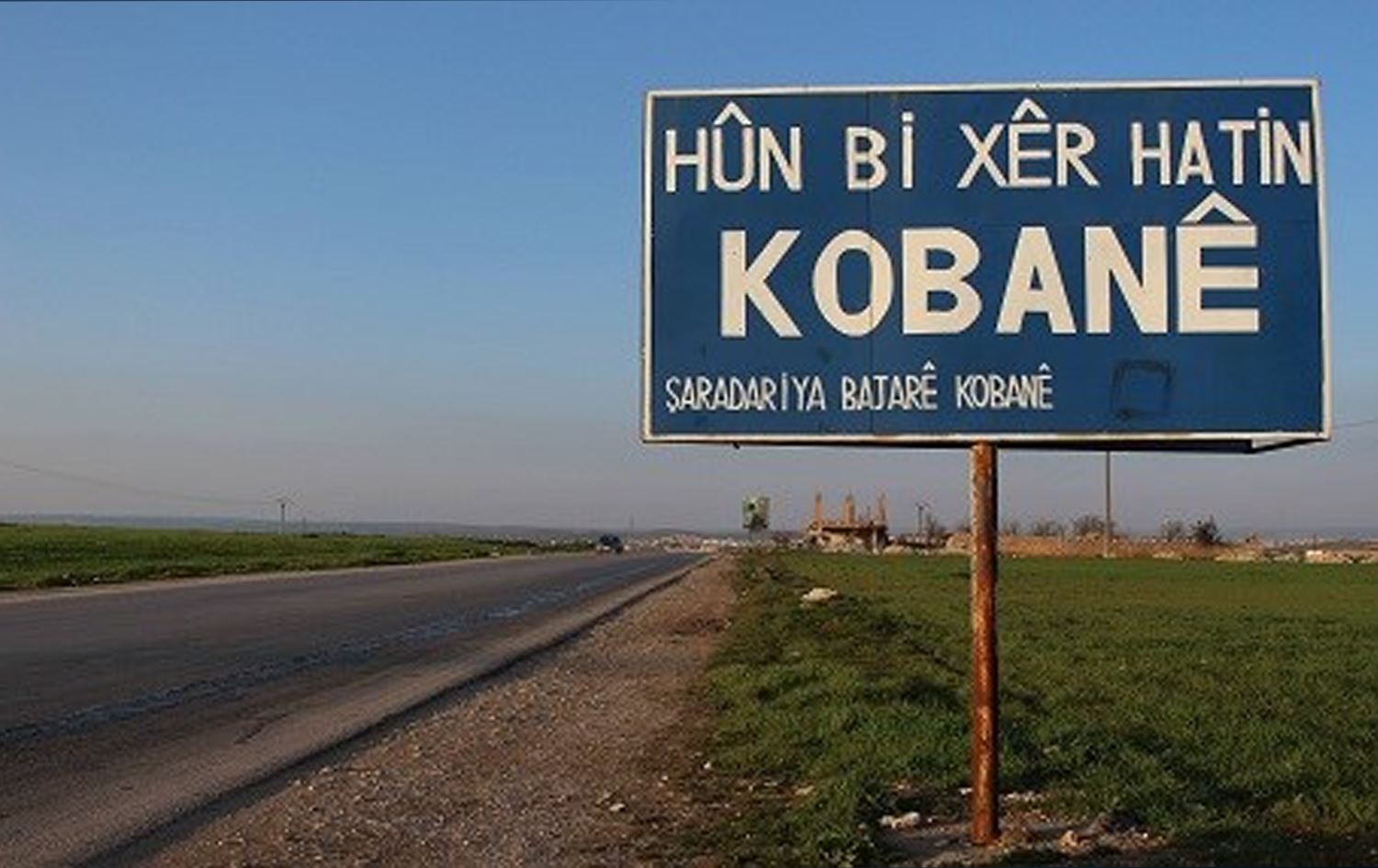
According to Rudaw, Elham Ahmad, a senior figure in the Democratic Autonomous Administration of North and East Syria (DAANES), stated that "clashes in Kobane have continued since the start of the siege days ago, despite [Damascus's] announcement of a ceasefire". Ahmad, who serves as the DAANES co-chair of foreign relations, emphasized that essential services including water, electricity, and internet have been cut off, measures she said "amount to war crimes". She called on international authorities to intervene and end the siege, which has left civilians deprived of basic necessities.
The ongoing violence comes despite a ceasefire agreement announced by Syrian authorities on January 20, which was set to begin at 8:00 p.m. local time. Under the terms of the agreement, Damascus and the Kurdish-led Syrian Democratic Forces (SDF) reached a "mutual understanding" that would grant the SDF a four-day consultation period to develop a plan for integrating areas under their control into the Syrian state. The agreement stipulated that Syrian forces would not enter the predominantly Kurdish cities of Hasaka and Qamishli, instead remaining on their outskirts.
However, reports indicate that Damascus-linked forces have continued military operations in violation of the ceasefire terms. Kurdish residents of Kobane have appealed for international assistance, with one viral video showing a resident asking entrepreneur Elon Musk to provide Starlink internet access so that "the voices of Kobane's residents can reach the outside world" regarding what he described as "genocide".
Historical Significance and Current Crisis
Kobane holds profound symbolic importance for the Kurdish community due to its role as the site of a pivotal battle against the Islamic State in 2014-2015. The city became the focal point of a brutal ISIS assault in mid-September 2014, when militants seized surrounding villages and forced thousands of civilians to flee into Turkey. With support from the US-led Global Coalition against ISIS and reinforcements from Kurdistan Region Peshmerga forces, the Kurdish People's Protection Units (YPG) successfully repelled the militants in January 2015, marking ISIS's first major military defeat.
The current escalation began in mid-January 2026, when the Syrian Arab Army and affiliated armed groups advanced into areas controlled by the SDF in eastern Aleppo, as well as parts of Deir ez-Zor, Raqqa, and Hasaka province. The SDF, which functions as the de facto military force in Rojava, played a crucial role in defeating ISIS in Syria in 2019 and served as the primary ground partner of the US-led coalition until Syria formally joined the anti-ISIS coalition in November.
Allegations of War Crimes
Tensions have been further inflamed by footage circulating on social media showing alleged atrocities committed by Damascus-affiliated forces. Video emerged showing a member of a Damascus-linked armed group holding a strand of hair belonging to a Kurdish female fighter from the Women's Protection Units (YPJ), sparking widespread international outrage. In the footage, the militant mockingly discusses how he obtained the hair from a YPJ fighter killed during clashes in Raqqa, displaying what critics have characterized as utter disregard for human dignity and potential evidence of war crimes.
Damascus-backed forces have faced multiple accusations of committing war crimes, with the SDF documenting several cases of fighters being decapitated. British lawmakers have expressed grave concerns about the threat facing Kurdish communities in Rojava, with British Parliament member Bill Ribeiro-Addy stating that "the threat that they face is immense" and emphasizing that "everything has to be done to ensure that the threat of violence, and the real risk that people will be killed, comes to an end". Civilians in the region have reportedly been subjected to insults, beatings, and executions by armed groups aligned with Damascus, according to international observers.
Photo: Rudaw