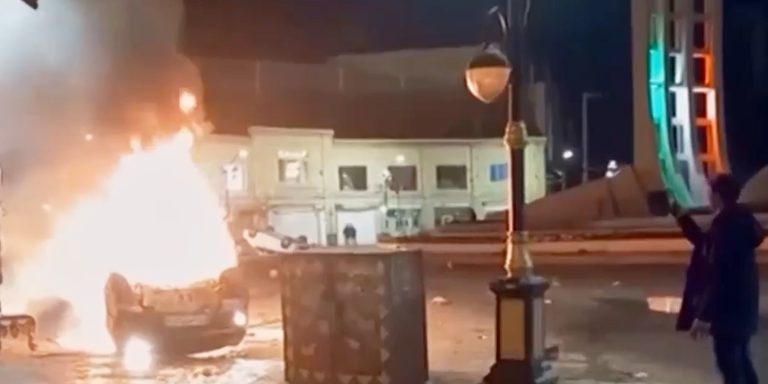
Massive anti-government demonstrations are sweeping across Iran, with protests now occurring in nearly 200 cities despite intensifying crackdowns by regime security forces. The scale and persistence of the uprising have prompted U.S. intelligence agencies to reassess earlier dismissals of the movement, with some experts now characterizing it as a potential revolution that could fundamentally reshape—or even topple—the 47-year-old Islamic Republic.
According to The Soufan Center on January 12, the demonstrations have grown in both size and intensity, drawing in youths and additional socio-economic and ethnic groups calling for the regime's ouster. The unrest began on December 28 with strikes by merchants angered over Iran's currency collapse but has since evolved into a broader challenge to Supreme Leader Ayatollah Ali Khamenei's leadership. The protests have turned increasingly violent, with demonstrators attacking security personnel and setting fire to regime symbols, mosques used by security forces, and some government buildings.
The uprising reflects deep-seated grievances rooted in economic mismanagement and resource depletion. Iran faces drastic water shortages in Tehran and other major cities, while the government continues spending hundreds of millions of dollars annually supporting proxy groups across the Middle East. These contradictions have fueled public anger and mobilized diverse segments of Iranian society.
Initially, U.S. intelligence dismissed the protests as yet another in a decades-long string of uprisings destined to be crushed by regime suppression. However, as the demonstrations defied government crackdowns and expanded into previously thought-secure areas, intelligence assessments shifted dramatically. President Trump acknowledged this reassessment, telling reporters: "Iran's in big trouble…It looks to me that the people are taking over certain cities that nobody thought were really possible just a few weeks ago." Videos and social media reports corroborated claims that some cities and large sections of major urban centers were falling out of regime control.
The human toll has been severe. The Human Rights Activists News Agency reported at least 65 deaths as of January 13, including 14 security force members, with more than 2,300 arrests. However, other sources cite much higher casualty figures, with TIME reporting a Tehran doctor estimating at least 217 deaths, while sources sympathetic to the protests claim over 2,000 killed. The regime shut down internet and telephone services in an apparent attempt to hide escalating violence, though Starlink access allowed Iranians to document security forces using live ammunition against unarmed protesters.
Sensing the ineffectiveness of its previous measures, Iran's leadership has intensified threats and expanded its repressive apparatus. Supreme Leader Khamenei vowed the regime would not "back down in the face of saboteurs," while the attorney general labeled protesters "enemies of God"—a charge carrying potential death penalties. Most alarming for the regime are reports of hesitation within security ranks, including the historically loyal Islamic Revolutionary Guard Corps, prompting the IRGC Intelligence Organization to announce it is "dealing with possible acts of abandonment" in its ranks.
The international dimension has become increasingly complex. President Trump has threatened military action against Iran if the regime employs massive force against protesters, warning: "You better not start shooting because we'll start shooting too." Reports suggest senior Trump officials are discussing potential military strikes. Trump has also signaled possible support for regime change, though he rejected meeting with exiled Reza Pahlavi, son of the former Shah, saying he would "let everybody go out there, and we'll see who emerges."
As the uprising enters its third week, the outcome remains uncertain. The determination of protesters, combined with potential fractures within security forces and international pressure, presents unprecedented challenges to regime stability.
Photo: The source