Iran in Crisis: Streets Fill Across the Country, as Reports Point to Internet Disruptions and Security Crackdown
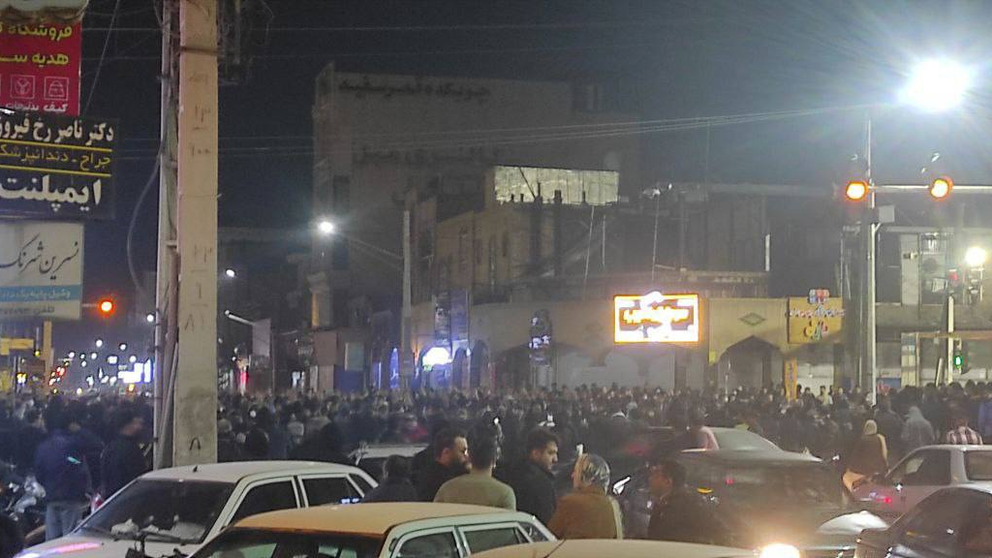
Large crowds of protesters were reported on streets in multiple Iranian cities Thursday night, following a public call by exiled opposition figure Reza Pahlavi urging citizens to demonstrate and make their demands heard “in united ranks.” Videos sent to the Persian-language outlet Iran International appeared to show gatherings in several provinces, as outside monitors warned that parts of Iran, including Tehran, were entering a “digital blackout.”
Internet Disruption Reported as Demonstrations Spread
The internet-monitoring group NetBlocks said late Thursday that Tehran and other areas were “entering a digital blackout,” suggesting disruptions to connectivity amid the unrest. The alleged communications restrictions came as online videos and eyewitness messages circulated rapidly, describing demonstrations ranging from street chants to road blockages.
Calls to Protest and International Messages of Support
In a message addressed to Iranians, Reza Pahlavi wrote that “the eyes of the world are on you,” urging people to take to the streets and loudly declare their demands. Separately, the President of the European Parliament released a video message saying the world was once again witnessing the “courageous stand” of Iran’s people and emphasizing that “Europe stands with them.”
Reports of Strikes Across Dozens of Cities
Alongside street protests, reports indicated a broad wave of merchant and bazaar strikes in numerous cities—particularly in Kurdistan and Kurdish-majority regions, as well as provinces including East Azerbaijan, Ardabil, Isfahan, Alborz, Bushehr, Tehran, Chaharmahal and Bakhtiari, Razavi Khorasan, Zanjan, Fars, Kerman, Gilan, Lorestan, Mazandaran, Markazi, and Hamedan.
Supporters also pointed to the online reach of the protest call: a video appeal attributed to Pahlavi—encouraging people to chant protest slogans from their homes and in public—was said to have reached 80 million views on Instagram by the morning of the planned demonstrations.
Video clips and messages described protests across a wide geographic area, including:
Tehran (Tehranpars): Demonstrators reportedly gathered at the “third square” area, chanting slogans including “Javid Shah” and “Khamenei is a killer.”
Tehran (Taleghani intersection): Footage shared with Iran International appeared to show protesters blocking traffic and chanting that this year would bring the overthrow of Iran’s supreme leader.
Yazd: Protesters were reported in the Safaeieh area.
Ahvaz: Demonstrators reportedly gathered in the Saqakhaneh area, chanting slogans referencing the Pahlavi era.
Izeh: Crowds were reported chanting “Death to Khamenei.”
Babol (Mazandaran): Local reports described street demonstrations.
Talesh (Gilan) and Dehgolan (Kurdistan): Protest activity was reported in both cities.
Saravan (Sistan and Baluchestan): The outlet Hal Vash reported that Baluch girls joined demonstrations, chanting: “Don’t be afraid… we are all together.”
Allegations of Live Fire and Tear Gas
Rights monitors and citizen reports also described confrontations with state security forces. The organization Iran Human Rights published video it said showed security forces firing toward protesters in Kazerun in Fars province. Elsewhere, a citizen quoted by Iran International claimed that in Dehdasht—reported in the message as being in Chaharmahal and Bakhtiari—security forces fired live ammunition and pellet rounds and used tear gas near the city’s central square.
Note: These claims and videos were circulated by media outlets and advocacy groups; independent verification of each incident was not immediately possible based solely on the provided material.
A Widening Challenge for Authorities
The breadth of the reported protests—spanning major urban centers and smaller cities—along with alleged internet restrictions, suggests authorities may be attempting to limit coordination and the spread of images. At the same time, the reported strikes across multiple provinces point to a blend of street mobilization and economic pressure tactics.
As the night unfolded, slogans and gatherings described in incoming videos indicated a mix of demands, from anti-government chants to monarchist-leaning messages—underscoring the diversity of sentiment among participants.
What to Watch Next
Analysts and observers will likely focus on three immediate indicators in the coming days:
Connectivity and censorship: Whether disruptions expand beyond Tehran and remain sustained.
Scale and continuity: Whether protests persist into subsequent nights and whether strikes broaden.
Security response: Whether reports of force escalate—and whether official statements acknowledge, deny, or justify the response.
Photo: Iran International