The article posits that the international system is undergoing a profound transformation, moving decisively away from a unipolar order dominated by the United States. Siasat-e Rooz contends that the U.S. no longer adheres to the international laws it once championed, citing instances such as its policies concerning Gaza, alleged plans for the fragmentation of West Asian nations, interventions in Venezuela and Greenland, decisions regarding Ukraine's territorial sovereignty, and efforts to deny countries the right to uranium enrichment and legitimate defense. Concurrently, the newspaper observes the ascendance of new global power blocs, exemplified by organizations like BRICS and the Shanghai Cooperation Organization, while traditional European powers are depicted as weakened and subservient to American influence, incapable of independent decision-making.
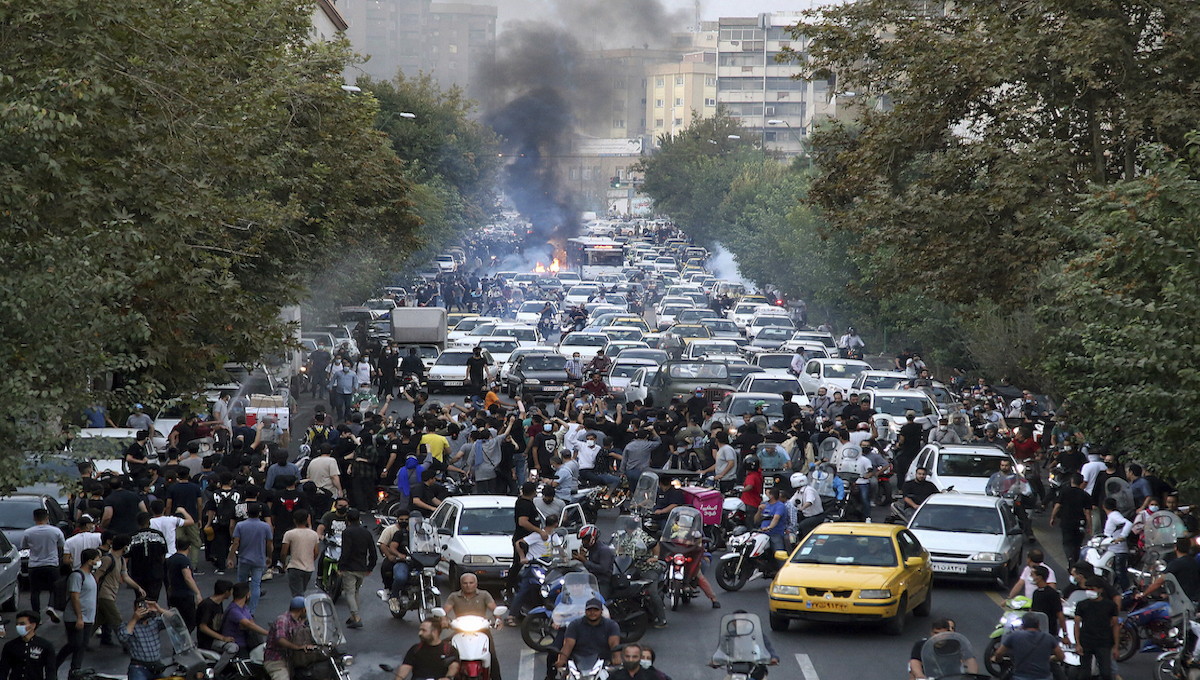
Central to Siasat-e Rooz's analysis is the assertion of a multifaceted Western-Zionist plot to undermine Iran. While acknowledging that direct military conflict and diplomacy have failed to bring Iran to its knees, the article claims that the enemy has resorted to an ongoing "cognitive warfare." This psychological operation, according to Siasat-e Rooz, exploits the economic grievances of the Iranian populace, steering them towards violence and conflict, ultimately aiming to whitewash the enemy's image and eradicate national values by presenting false hopes.
The newspaper further elaborates that this alleged enemy strategy involves a dual approach: on one hand, it seeks to instill a sense of humiliation and disillusionment with the Iranian Revolution and its ideals; on the other, it simultaneously presents itself as a savior and liberator, obscuring its past hostilities and crimes against Iran. Siasat-e Rooz describes this as an organized effort to "whitewash treason against Iran" and construct an "imaginary Iran" in opposition to the "real Iran." This narrative, it suggests, particularly targets the younger generation, selling them a dream of an Iran aligned with the U.S. and its allies, while secretly pursuing the country's partition and its isolation from the emerging new world order.
The ultimate objective of this alleged design, the article concludes, is to create "strategic suffocation" for Iran within the evolving global framework. This includes destabilizing Iran's security to prevent its participation in regional corridors and inducing miscalculations in its global diplomatic approaches. The newspaper warns against viewing the West, with its "catastrophic history in Iran" and declining influence, as a savior, while simultaneously demonizing the architects of the new world order who seek to empower Iran in international equations. Siasat-e Rooz asserts that through cognitive distortions, the enemy aims to portray submission to Western-Zionist powers, begging for aid, selling national information, and encouraging foreign aggression as acts of service to this "imaginary Iran." It warns that in this cognitive battleground, treason and the acceptance of partition and civil war are being presented as virtues, while the enemy's true goals of destroying, partitioning, and subjugating Iran are concealed.
In light of these perceived threats to Iran's territorial integrity and national security, Siasat-e Rooz stresses the importance of understanding the dimensions of this warfare. It advocates for national unity and empathy to resolve economic issues and transform potential capacities into actual strengths, enabling Iran to play a significant role in the new global order. This strategic approach, the newspaper suggests, should be embraced by both the people and government officials to inflict another defeat upon the enemy.
Photo: Penn Today