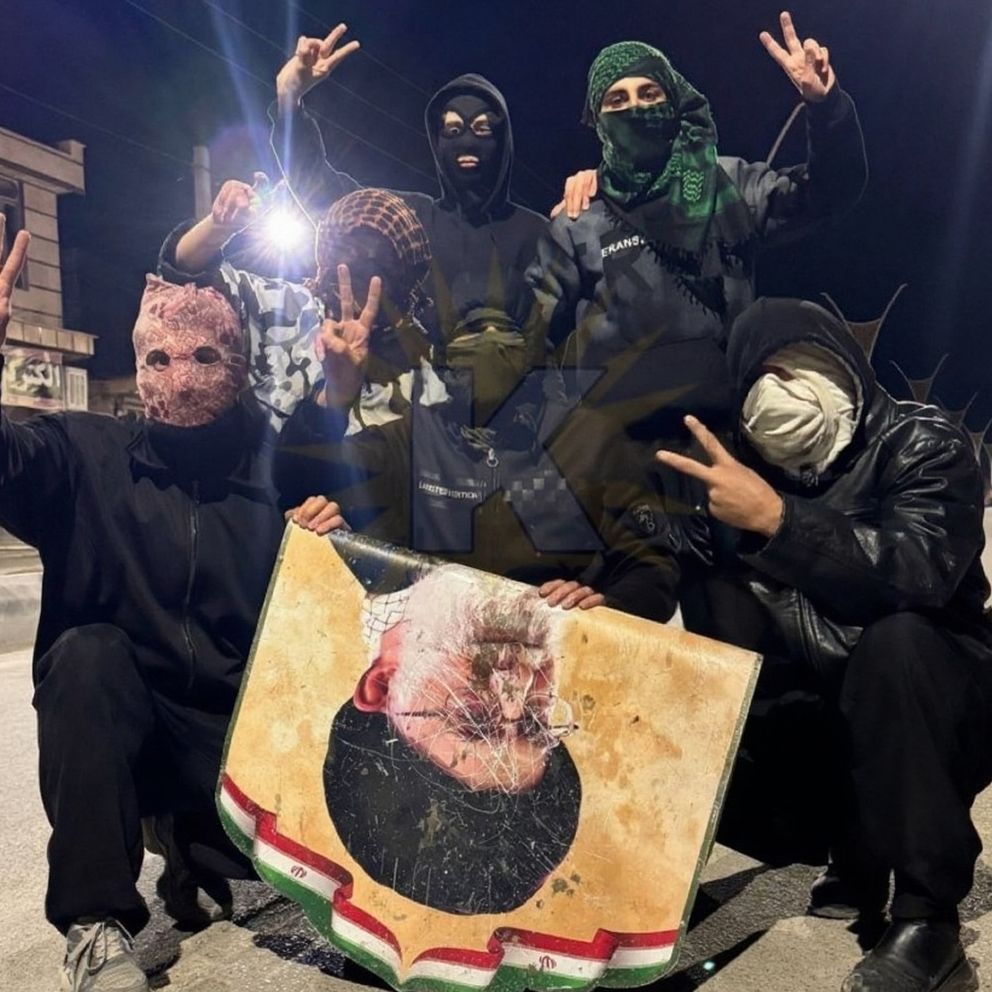
Iran's popular uprising has entered its eleventh day, demonstrating a deepening entrenchment of the protest movement amidst an escalating crackdown by the regime. Recent developments over the past 12 hours highlight widespread strikes, a rising casualty toll, and growing international attention to the unrest that began on December 28, 2025.
Newer Update
The uprising in Iran has entered its 11th day, evolving rapidly from economic grievances into a nationwide political revolt. Protests, strikes, and street clashes have been recorded in over 80 cities, including Tehran, Isfahan, Mashhad, and hotspots in Kurdish and Lur provinces. What began on December 28 as a complaint against inflation and currency collapse has shifted to explicit calls for the end of the Islamic Republic, with slogans directly targeting Supreme Leader Ali Khamenei.
The human cost is rising. Rights groups, including HRANA, estimate between 30 and 40 people have been killed, including four children and several security personnel. Over 2,200 demonstrators have been arrested. The violence has been particularly acute in Ilam province and the town of Malekshahi, where security forces have reportedly used live ammunition and stormed a hospital to detain wounded protesters. In Tehran, plainclothes forces are utilizing heavy tear gas and pellet guns in neighborhoods like Narmak and near the Grand Bazaar.
A fresh analysis by Al Jazeera on January 8 highlights a critical new angle: the closure of major commercial hubs. Bazaars in Tehran and Isfahan are shuttering, signaling that discontent has spread to the merchant class—a traditional pillar of Iranian society. While driven by economic desperation, these shutdowns deprive the state of economic normalcy and represent a significant symbolic blow to the regime’s stability.
The state’s response has hardened significantly. Top judicial officials are now labeling protesters as "rioters" collaborating with the US and Israel, threatening severe punishment. State media outlets like Fars and Tasnim are framing unrest in western provinces as "armed riots" to justify the intensified security response.
Despite the repression, the political trajectory of the movement is clear. Demonstrators have moved beyond demanding financial relief to chanting "Death to the Dictator" and "Neither Gaza nor Lebanon," rejecting the regime’s foreign policy and clerical rule. With opposition figures like Reza Pahlavi calling for coordinated action and the US condemning the "criminal" targeting of hospitals, the standoff has entered a volatile new phase.
Nationwide Strikes and Economic Paralysis
Major bazaars across key Iranian cities, including Shiraz, Tehran, and Kermanshah, have been paralyzed by strikes as of January 8, 2026, 08:00 AM CET. The closure of traditional bazaars carries significant historical weight, reminiscent of their pivotal role in the 1979 Islamic Revolution. Tehran's Grand Bazaar, a crucial economic hub, has remained closed for its eleventh consecutive day, with security forces reportedly deploying tear gas against merchants and workers. This commercial disruption underscores the broad opposition extending beyond youth-led street activism.
Expanding Geographic Scope and Intensity
The protest movement has now been documented in over 280 locations across 27 of Iran's 31 provinces. The Institute for the Study of War's Conflict Research Programme reported 89 demonstrations across 21 provinces through January 6, with notable activity in western Iran and regions with Kurdish and Lur ethnic populations, particularly Ilam, Kermanshah, and Lorestan. Additionally, Tehran has seen approximately 19 new protests, with 14 classified as medium-sized, involving over 100 participants.
Rising Casualty Toll and Mass Arrests
The death toll from the unrest has tragically risen to at least 36 confirmed fatalities. This includes 30 demonstrators, four minors, and two security personnel. The latest figures from January 7 indicate over 2,076 arrests, showcasing the regime's significant deployment of coercive force. Notably, the regime's acknowledgment of security force deaths on January 7 marks its first official admission since the protests began, with state media claiming two Law Enforcement Command officers were killed in Lordegan and another member in Malekshahi. This public acknowledgment is likely intended to justify heightened crackdowns.
Repression Extends to Medical Facilities
A critical and troubling development is the regime's expansion of crackdown operations into medical facilities. On January 5, security forces reportedly stormed a hospital in Malekshahi County (Ilam Province) where injured protesters were receiving treatment. This escalation in suppression tactics raises serious humanitarian concerns regarding the treatment of wounded civilians and represents a breach of institutional norms.
Alleged External Military Deployments
Anti-regime sources report that approximately 800 Iranian-backed Iraqi militia fighters have entered Iranian territory since January 2 through border crossings. These forces, allegedly affiliated with groups such as Kataib Hezbollah and the Badr Organization, are purportedly disguised as pilgrims. While independent verification is pending, such deployments could significantly bolster the regime's capacity to manage demonstrations, particularly in areas with strong local mobilization.
Coordinated Ethnic Opposition
Kurdish opposition coalitions, including the Kurdistan Democratic Party of Iran (KDPI) and Kurdistan Free Life Party (PJAK), have called for a nationwide strike on January 8 in response to violent suppression in predominantly Kurdish regions. Concurrently, the Baloch Popular Front claimed responsibility for killing an Iranian Law Enforcement Command member in Iranshahr, Sistan and Baluchistan Province, on January 7, in retaliation for protest suppression. These coordinated ethnic-based responses suggest an organizational capacity extending beyond spontaneous street activism.
Regime Rhetoric and Strategic Messaging
Iranian judiciary head and security commanders have intensified threats against demonstrators. Ahmad-Reza Radan, commander of the Law Enforcement Forces, stated that identified protesters would face prosecution "until the last person is apprehended," signaling the regime's determination for comprehensive suppression. However, analysts suggest that such rhetorical escalation may indicate regime anxiety rather than confidence, given the sustained nature and geographic breadth of the uprising.
Political Transformation of Grievances
The movement has evolved significantly from its origins on December 28 as an economic protest against currency collapse and inflation, transforming into a clear political revolution. Widespread chanting of slogans like "Death to the dictator" and calls for systemic political change underscore this evolution. University students have explicitly rejected reform, stating, "This criminal system has taken our future hostage for 47 years. It won't be changed with reform or with false promises," indicating a rejection of incremental governance adjustments.
International Reactions and Geopolitical Context
U.S. President Donald Trump has issued warnings of potential military intervention if violence against demonstrators persists, adding a layer of complexity to the regime's strategic calculations. Israeli Prime Minister Benjamin Netanyahu has expressed support for the demonstrators, framing it as Iranian citizens "seizing control of their destiny." In response, the Iranian regime has accused the U.S. and Israel of orchestrating the unrest and has threatened preemptive military action against foreign "aggression".
Internal Regime Tensions
Tensions have reportedly emerged within regime factions regarding protest suppression strategies. An Iranian media outlet aligned with Ayatollah Khamenei's defense establishment subtly criticized the hospital raid in Ilam, describing it as a "significant test of the government's approach to societal engagement during crises." This suggests a potential fragmentation of consensus within the regime on crackdown methods.
Photo: Iran International