Syrian Army units have positioned themselves at four strategic points around Hasakah province and along the southern approaches to Ayn al-Arab (Kobane), including the critical town of Sirrin, effectively sealing all entry and exit routes. Local economist Mustafa Khalil, speaking from inside the city, warned that Kobane "is besieged from all four directions. No one can enter or leave". Essential services have collapsed, with water and electricity completely cut off and markets depleted of food and drinking supplies. Only two small commercial centers remain operational, and Khalil cautioned that "unless the situation is resolved within the next two to three days, Kobane will face a major humanitarian crisis".
The encirclement follows the dramatic collapse of a U.S.-mediated ceasefire agreement signed on January 18 between Syrian President Ahmed al-Sharaa and Kurdish-led Syrian Democratic Forces (SDF) commander Mazloum Abdi. The fourteen-point deal, which was intended to integrate the 100,000-strong SDF into the Syrian army while preserving Kurdish administrative rights, has unraveled within 48 hours. Abdi returned to northeastern Syria on January 20 after "stalled" discussions in Damascus, with SDF sources describing the talks as "not positive" and accusing the transitional government of seeking to "dismantle Kurdish self-rule".
International Response and Kurdish Mobilization
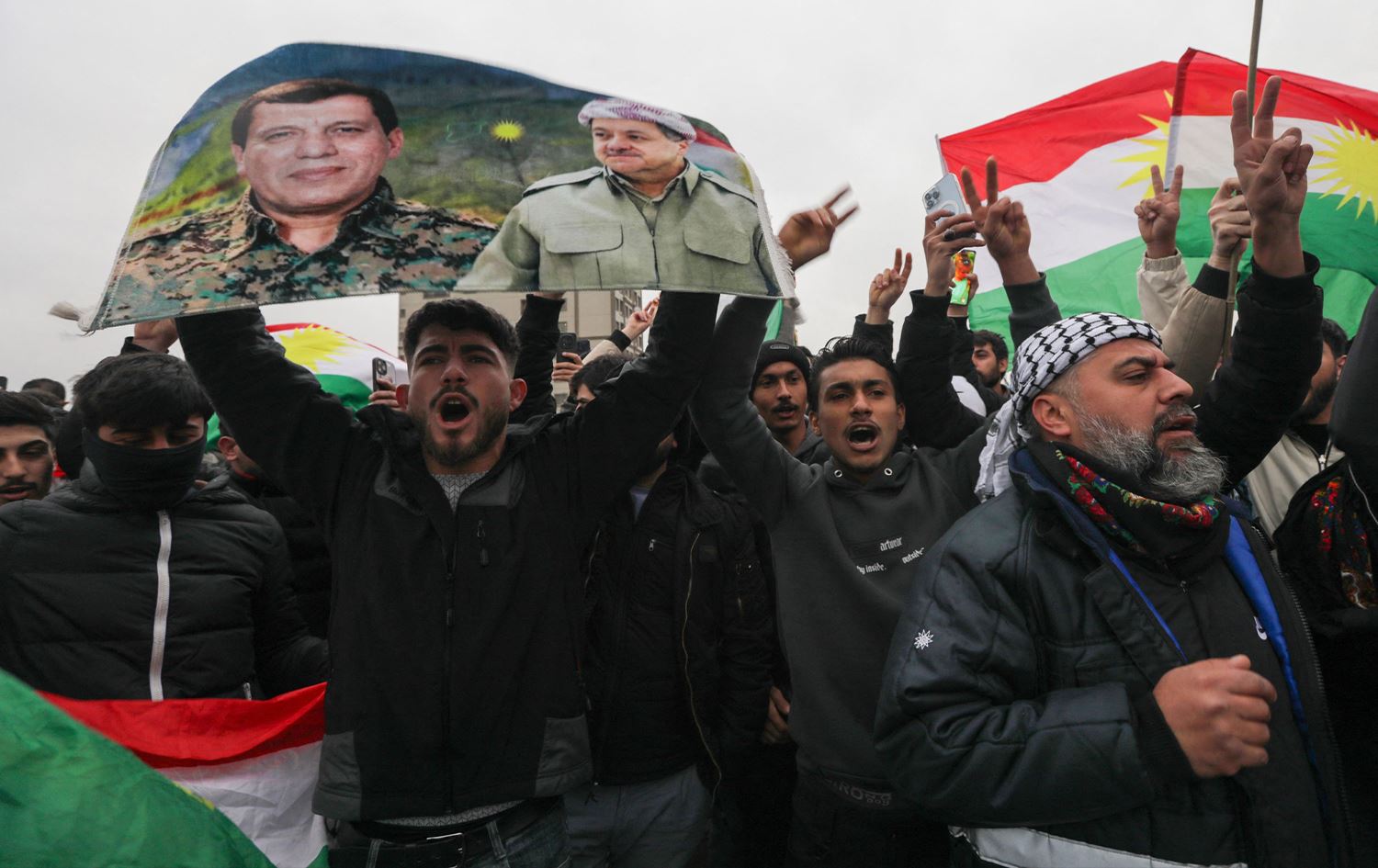
The crisis has sparked urgent calls for action from Kurdish leadership across the region. Murat Karayılan, commander of the People's Defense Forces (HPG), issued a powerful statement vowing that "whatever the cost, we will never abandon Rojava". He characterized the attacks as "a conspiracy against all of Kurdistan" and accused Turkey of playing an active role in the offensive, using warplanes and even deploying troops under the guise of armed groups. Karayılan warned that the international coalition's failure to respond to Kurdish appeals for help would leave "an unhealable wound in the conscience of humanity".
Protests erupted across the Kurdistan Region and in diaspora communities worldwide. In front of the U.S. consulate in Erbil, demonstrators condemned Washington's abandonment of Kurdish forces that lost 30,000 fighters combating ISIS. "We gave 30,000 martyrs in Rojava in the fight against terrorists… to be abandoned now," one protester declared. Kurds from Turkey, Germany, the United Kingdom, and the Netherlands joined demonstrations, with some volunteers departing Sulaimani by bus to join the resistance. Kurdish actor and filmmaker Shwan Atoof called for widespread civil disobedience, urging "all classes to shutter shops, shutter the bazaar, to strike work".
Humanitarian Catastrophe and War Crimes
The humanitarian situation has deteriorated rapidly, with many residents being civil servants earning less than $100 per month, leaving families especially vulnerable as prices soar. Religious leaders have drawn chilling parallels to past atrocities, with Mullah Hawar Shafa'i warning that "Anfal is happening again," referring to Saddam Hussein's genocide against Kurds.
The Syrian Democratic Council (SDC) has documented alarming reports of war crimes, including videos showing captured SDF fighters being executed in methods reminiscent of ISIS. The footage depicts at least four uniformed fighters while Arabic-speaking men use derogatory language and refer to them as "Havalan" (comrades). The SDC warned that "hanging YPJ fighters after taking them captive, as well as releasing ISIS prisoners, constitutes a direct threat that enables the resurgence of terror".
The prison situation has become particularly critical. QSD Commander Çiya reported that the Eqtan prison in Raqqa, holding over 2,000 ISIS detainees, is under siege by HTS forces attempting to free the extremists. He revealed that the coalition has not responded to Kurdish appeals for assistance for two days.
Symbolic City Under Threat
Kobane holds profound symbolic importance for Kurds worldwide. In 2014, ISIS militants controlled vast swathes of territory across Syria and Iraq and launched a brutal siege on the city. With decisive support from the U.S.-led Global Coalition and reinforcements from Kurdistan Region Peshmerga forces, the People's Protection Units (YPG) repelled ISIS in January 2015, marking the group's first major military defeat.
The victory, however, came at a devastating cost, with nearly 70 percent of the city destroyed. In the years since, residents have painstakingly rebuilt homes and infrastructure, restoring basic services and breathing life back into the battered city. Now, a decade later, Kobane once again faces an existential threat.
The SDC has declared that "attacking Kobane is an attack on liberal and democratic values" and "an act of revenge against those who shattered terrorism". As night falls on the besieged city, residents hunker down under curfew, cut off from the world and facing an uncertain future. The city that symbolized Kurdish resilience against ISIS now stands as the frontline in a new conflict that could determine the fate of Syria's Kurdish population, with international observers warning that the siege risks reigniting full-scale conflict and undermining the global counter-ISIS campaign.
Photo: Rudaw