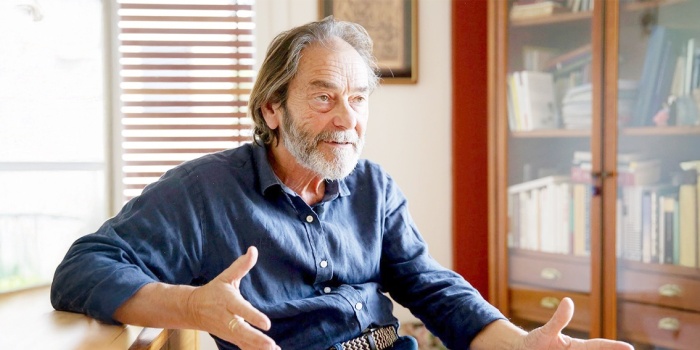
A prominent Turkish academic has issued stark warnings about the deteriorating situation in Syria, claiming that the new Syrian leadership operates entirely under Turkey's command while jihadist forces threaten regional stability.
According to an interview published by Yeni Özgür Politika on January 21, Prof. Dr. Cengiz Aktar of Athens University stated that Ahmed al-Sharaa (formerly known as Abu Mohammad al-Julani) is "completely under Ankara's control" and "cannot defy Turkey's orders, nor does it seem likely he will." The professor warned that "ISIS is coming in the guise of the Syrian army" and that "Sunni Salafi jihadists cannot bring peace to Syria."
Aktar argued that Washington prioritized countering Iran and abandoned the Autonomous Administration in northeastern Syria. He suggested Turkey convinced the United States to accept Ankara's longstanding demands regarding Rojava in exchange for cooperation against Iran. This strategic shift, according to the professor, has left Kurdish forces vulnerable and isolated.
The professor highlighted alarming developments regarding ISIS prisoners, noting that within 24 hours, prisons holding ISIS members in Raqqa and Tabqa were emptied, and tens of thousands of ISIS affiliates at al-Hol Camp were released. "Nobody cares," he observed, questioning America's previously stated commitment to fighting ISIS and suggesting that this priority has been completely abandoned.
Criticizing the 14-point agreement imposed on the Syrian Democratic Forces on January 18, Aktar called it "the worst, most hastily written text" he had seen in his career as a former UN official and diplomat. He added that "Ankara clearly wrote everything" and described the document as vague and impossible to implement. The professor warned that if this agreement remains on paper without real implementation, internal conflict could resume.
The academic observed that Arab-Kurdish relations have been severely disrupted due to Ankara's influence, with "Arab and Turkish forces jointly hunting Kurds." He noted that all Arab partners and tribes have abandoned the Kurds, and predicted a major rift between Kurds and Turks that "could last decades" and would not be easily repaired.
Turning to Turkey's domestic situation, Aktar challenged Turkish authorities directly. If they demand the SDF disarm, he argued, they should fulfill the domestic peace process by implementing legal and administrative reforms addressing Kurdish political demands. "They won't do it. They have no such will, calculation, or intention," he predicted, adding that Turkey has exported rather than solved its Kurdish problem.
The professor also criticized the world's silence on events in Rojava, noting that international media provides only minimal coverage while Europe remains unaware of the unfolding crisis. He warned that people will continue to flee Syria as instability persists, and cautioned that the current atmosphere of victory on one side means "they are in a position to do anything," urging that this must be stopped.
Photo: The source
Comments
Post a Comment