Northeast Syria faces a pivotal moment today as the four-day ceasefire window granted by Damascus expires, leaving the region balanced precariously between a diplomatic breakthrough and renewed, potentially devastating conflict.
As of Saturday afternoon, January 24, the deadline for the Kurdish-led Syrian Democratic Forces (SDF) to accept integration into the Syrian state has technically arrived. While the Syrian government has not formally announced an extension, diplomatic sources and reporting from Reuters suggest the window will likely be expanded by several days to one week. Turkish Foreign Minister Hakan Fidan also signaled on Friday that "an extension of the ceasefire might be considered."
However, the extra time does little to mask the strategic collapse of the Kurdish autonomous project. In the past two weeks, the SDF has lost control of Raqqa, Deir ez-Zor, and vital oil infrastructure to Syrian government forces, retaining only a fraction of its former territory in Hasakah and Kobani.
The Siege of Kobani and Humanitarian Cost
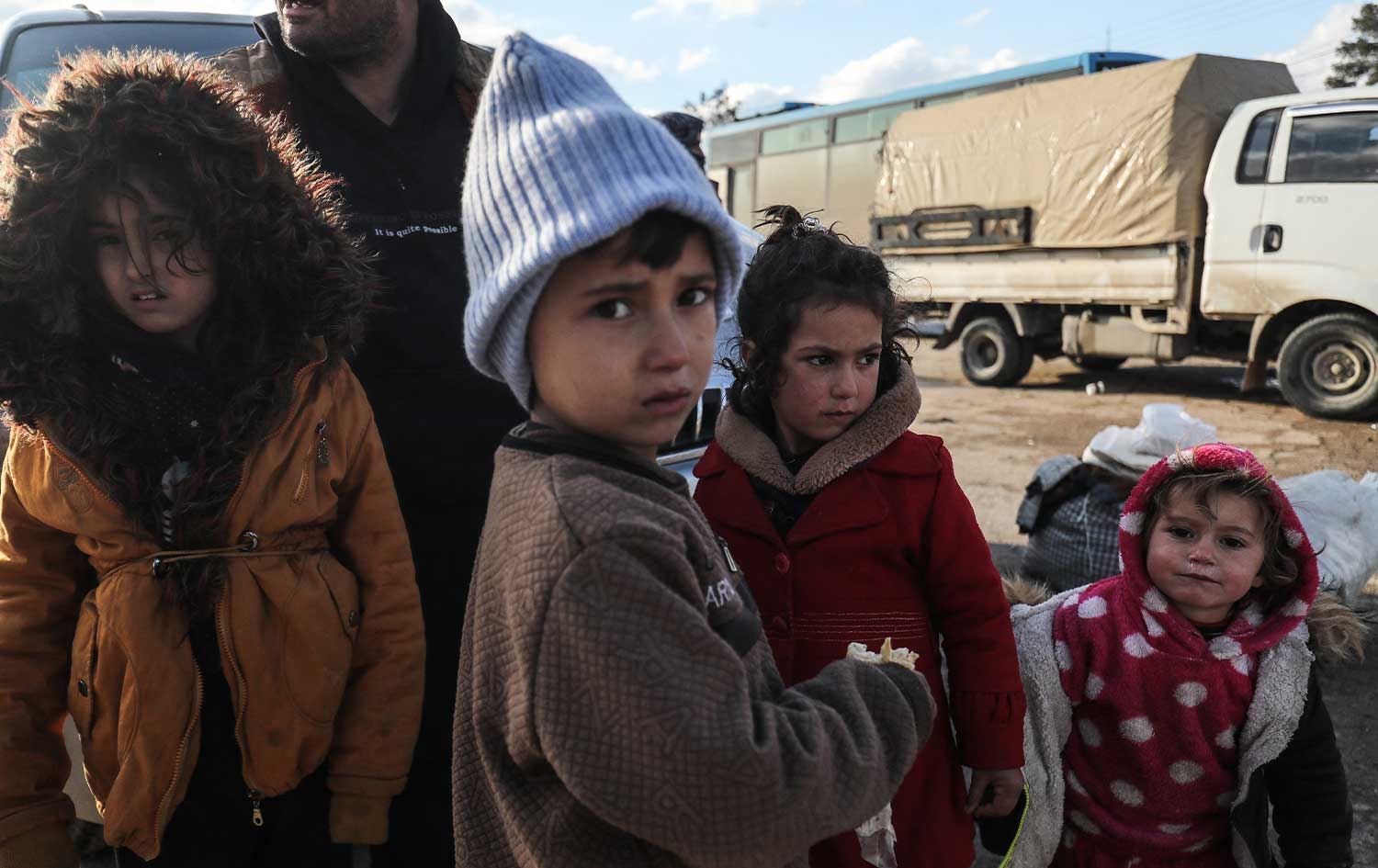
While diplomats negotiate in back channels, the civilian cost of the military encirclement is rising sharply. The Kurdish Red Crescent (KRC) confirmed on Saturday that four children have died from cold exposure in the symbolic city of Kobani.
The city is currently under a strict siege by Damascus-backed forces and allied militias, with all access routes closed. "Due to the severe siege on the city of Kobane, four children have died from cold," KRC Co-chair Hadiya Abdullah told reporters. The United Nations has warned that interruptions to power, water, and internet are pushing the humanitarian situation to a breaking point.
Displacement creates a compounding crisis across the region. Over 540 Kurdish families have fled west of the Euphrates into Rojava between January 17-20 alone. In Qamishli, schools have been converted into makeshift shelters for families displaced multiple times—first from Afrin, then Shahba, and now again by the current offensive.
"We have been in great distress," said Meisa, a displaced woman from Afrin now sheltering in a classroom. "For three days now, our children have been sleeping on the ground. We have nothing."
The Integration Impasse
The core of the deadlock remains the definition of "integration." Negotiations led by US Special Envoy Tom Barrack and involving Iraqi Kurdish President Nechirvan Barzani are attempting to bridge a fundamental gap:
Damascus insists on the individual absorption of SDF fighters into existing Syrian Army units, effectively dissolving the Kurdish command structure.
The SDF, led by Commander Mazloum Abdi, is demanding the preservation of cohesive Kurdish military units within the state apparatus to guarantee the safety of the Kurdish minority.
On January 23, Elham Ahmad, a senior official in the Autonomous Administration, launched a diplomatic initiative attempting to reset negotiations based on de-escalation rather than capitulation. However, the SDF's leverage has been severely eroded. US Envoy Barrack publicly stated on January 20 that the SDF’s role as a primary anti-ISIS force had "largely expired," signaling a major shift in American policy toward accepting Syrian state centralization.
ISIS Resurgence and the Iraqi Connection
The chaos accompanying the SDF’s retreat has triggered an immediate security crisis regarding Islamic State (ISIS) detainees. Following shelling and riots at the Al-Aqtan and Shaddadi prisons, conflicting reports have emerged regarding the release or escape of up to 1,500 ISIS fighters.
In response, the US-led coalition has begun transferring "high-value" detainees to Iraq. However, Baghdad is wary of becoming a dumping ground for the region's extremists.
Lieutenant General Qais al-Mohammadawi, deputy commander of Iraq’s Joint Operations Command, stated on Saturday that Iraq would halt these transfers if the SDF manages to stabilize the situation. “If [the situation] normalizes and the SDF reclaims the areas, then we will stop receiving them,” he said.
Currently, US Central Command is moving approximately 150 detainees to secure locations in Iraq, with plans potentially covering up to 7,000 prisoners. The European Union has expressed "grave concern" over the escapes, fearing that the breakdown of SDF control could lead to a resurgence of the terror group in the security vacuum.
A New Reality
The rapid changes on the ground represent the effective end of the Democratic Autonomous Administration of North and East Syria (DAANES) as it existed since 2015. With the loss of the Tishrin Dam and major oil fields to Damascus, the Kurds have lost their economic engine.
As the January 24 deadline passes, the region waits to see if the likely ceasefire extension will lead to a negotiated political settlement or if the Syrian government, emboldened by recent victories, will launch a final push into the last Kurdish strongholds of Qamishli and Kobani.
Photo: Rudaw