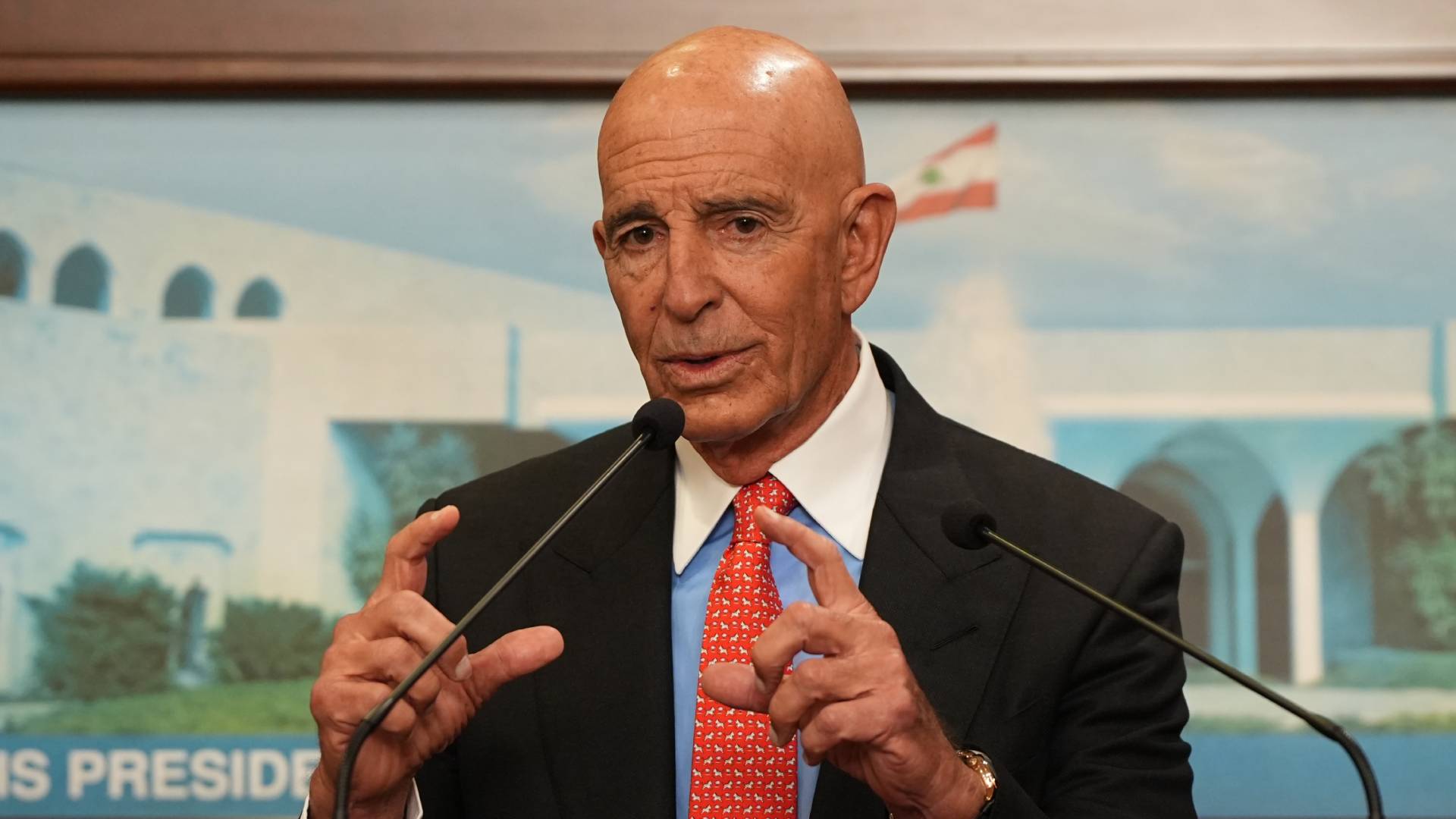
In a statement reported by T24, the U.S. Ambassador to Ankara and Special Envoy for Syria Tom Barrack called for restraint and warned that “destructive external forces and their proxies” are seeking to derail recent gains and return Syria to instability. He argued that regional actors should stand united against spoilers whose objective is “renewed instability,” while the U.S. goal remains “a lasting peace based on mutual respect and shared prosperity.”
Barrack’s message came as gunfire and intermittent shelling were reported in the two densely populated districts, long known as Kurdish-majority areas and frequent flashpoints in northern Syria’s fractured security landscape. He appealed to the Syrian government, SDF leadership, local authorities in Kurdish-administered areas, and “all armed actors on the ground” to pause hostilities and commit to rapid de-escalation measures.
The envoy framed the violence as a critical test for Syria’s fragile transition after what he described as “historic steps” over the past thirteen months toward stability, national reconciliation, and reconstruction following decades of conflict. He also pointed to recent “historic” talks involving Israeli representatives as a signal of wider regional momentum toward diplomacy—momentum he said could be undermined if fighting in Aleppo expands or draws in additional armed groups.
Central to Washington’s message was the 10 March 2025 integration agreement between the SDF and the Syrian government, which Barrack said had been nearing completion and remains “achievable.” The deal is intended to advance security coordination, shared governance arrangements, and national unity—an architecture U.S. officials view as a pathway to reducing fragmentation and preventing local conflicts from reigniting broader confrontations.
Barrack emphasized that deep political and social transformations “cannot happen overnight,” arguing that Syria’s long conflict has left wounds that require time, patience, and “genuine mutual understanding.” He reiterated U.S. support for a political vision that guarantees full participation and equal rights for all Syrians, naming Sunni, Kurdish, Druze, Christian, Alawite, and other communities as stakeholders whose security and representation must be protected.
U.S. diplomats signaled readiness to work with allies and “responsible regional partners” to facilitate de-escalation and create space for renewed dialogue. “Let’s prioritize the exchange of ideas and constructive proposals rather than the exchange of fire,” Barrack urged, insisting that Aleppo’s future—and Syria’s—should be shaped through peaceful means, not violence.
Photo: T24
Comments
Post a Comment