Nuclear negotiations between the United States and Iran are set to resume Friday in Muscat, Oman, after urgent appeals from regional allies convinced the Trump administration to reverse course on what appeared to be collapsed talks.
The diplomatic turnaround came Wednesday after Iran rejected previously agreed arrangements for negotiations initially planned for Istanbul, demanding the venue be moved to Oman and the scope narrowed to focus exclusively on nuclear issues.
Talks Teetered on the Brink
According to U.S. officials speaking to Axios, the negotiations were effectively dead earlier Wednesday. "We told them it is this or nothing, and they said, 'Okay, then nothing,'" one official revealed.
Tehran had pushed to exclude discussions of ballistic missiles and regional proxy networks—issues Washington considers essential to any comprehensive agreement.
However, a coordinated lobbying campaign by regional powers prompted the administration to reconsider. At least nine countries—including Saudi Arabia, Qatar, Egypt, the United Arab Emirates, Oman, Pakistan, and Turkey—passed messages to senior Trump administration officials urging them to proceed.
"They asked us to keep the meeting and listen to what the Iranians have to say," a U.S. official said, adding the administration agreed "to be respectful" of allied concerns "and in order to continue pursuing the diplomatic track."
Regional Fears Drive Intervention
Gulf states have expressed concern that military action against Iran could destabilize oil markets and trigger a broader regional conflict.
"The unprecedented, coordinated regional response is less an endorsement of Iran than a collective recoil at the thought of American intervention unleashing chaos that transcends national borders," said Ali Vaez, Iran director at the International Crisis Group.
Iranian Foreign Minister Abbas Araghchi confirmed the meeting Wednesday on social media, expressing gratitude to Omani hosts for facilitating the talks scheduled for Friday morning.
Tensions Persist
White House special envoy Steve Witkoff and Jared Kushner will represent the United States, while Araghchi leads Iran's delegation. The talks proceed against a backdrop of heightened military tensions, including a recent incident in which U.S. forces shot down an Iranian drone approaching the USS Abraham Lincoln.
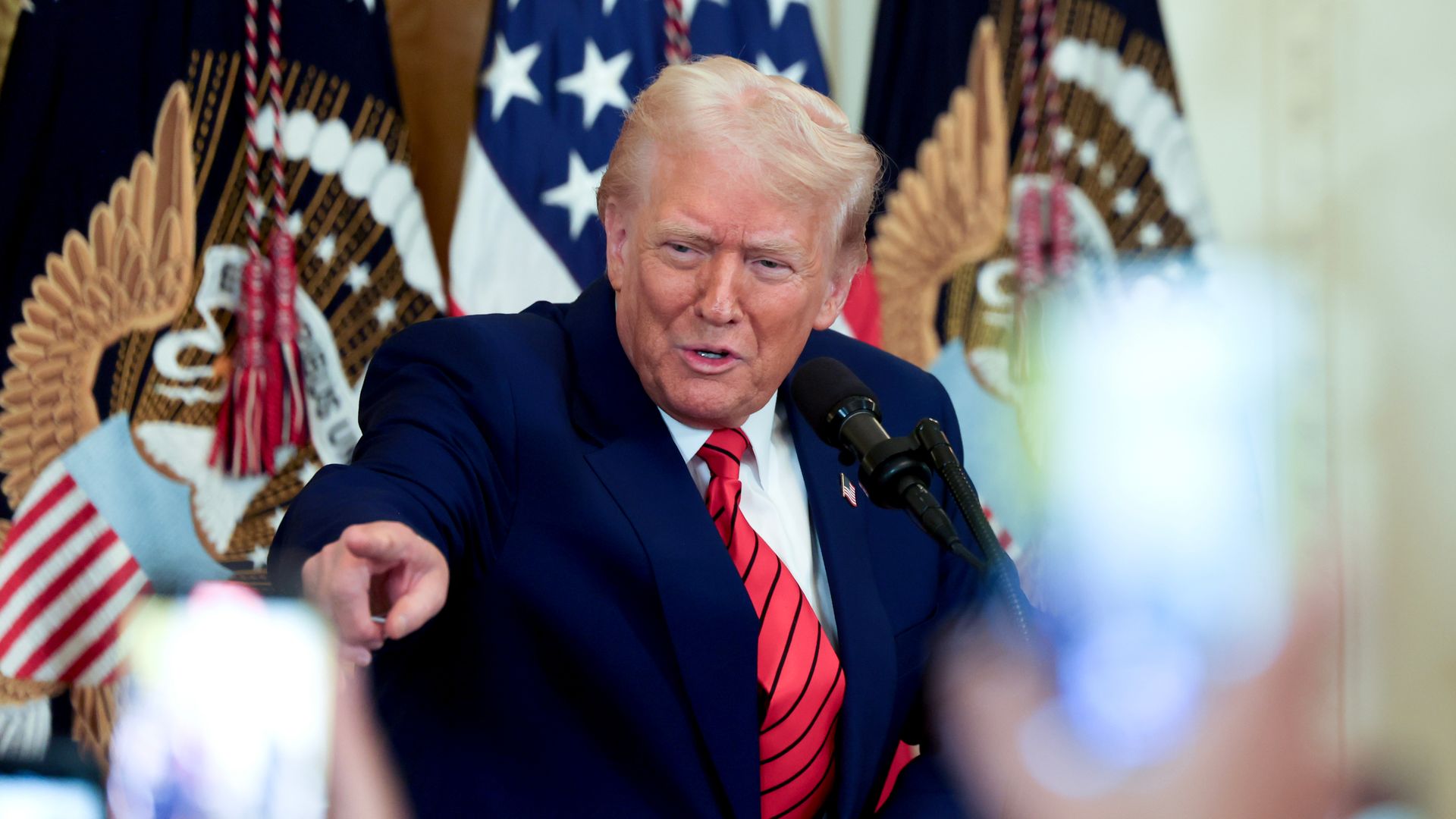
President Trump has warned that "bad things" would happen without a deal, while Secretary of State Marco Rubio maintains that meaningful negotiations must address Tehran's missile program and regional activities—issues Iran insists remain "off the table."
* Developing story. Updates to follow.
Photo: Axios