The Financial Stability Committee of the Ministry of Treasury and Finance announced that “precautionary measures were discussed.” Following the ruling, CHP leader Özgür Özel said: “The damage they inflicted on the country’s economy in just half an hour amounts to $10 billion.”
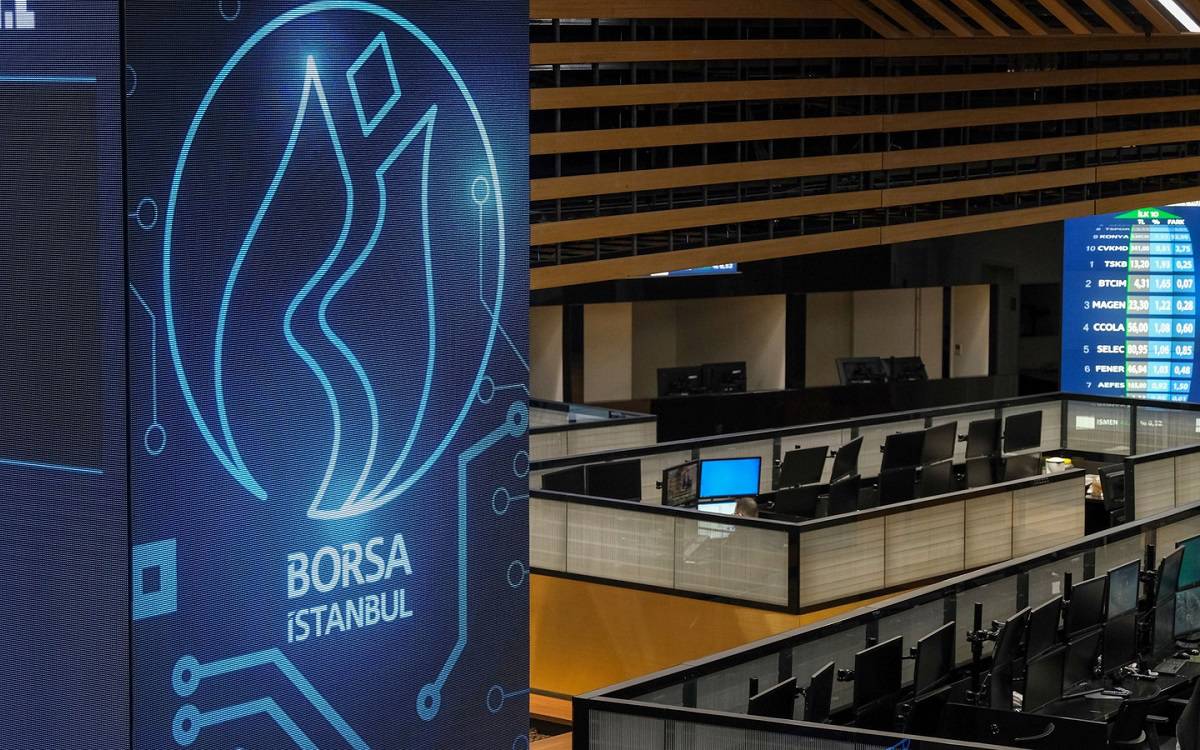
Sharp losses hit Borsa Istanbul after the 36th Civil Chamber of the Ankara Regional Court of Appeals ruled in the CHP congress case to temporarily remove Özgür Özel and the current party leadership from office, ordering former leader Kemal Kılıçdaroğlu and the previous administration to take over.
The BIST 100 index closed the day down 6.05 percent at 13,163.88 points.
Although Borsa Istanbul opened lower today, markets recovered some of the losses later in the session. The index climbed to 13,359 points, posting a 1.49 percent gain.
Financial Stability Committee Convenes
In the wake of the “absolute nullity” ruling in the CHP congress lawsuit, the Ministry of Treasury and Finance convened an early-morning meeting today under the chairmanship of Treasury and Finance Minister Mehmet Şimşek.
According to the ministry’s statement, the Financial Stability Committee discussed the potential impact of domestic and international developments on financial markets, as well as possible precautionary measures.
The statement emphasized that the Turkish economy remains “highly resilient to shocks thanks to its sound policy framework and strong capital buffers.”
The committee also stated that the necessary steps would be taken in a coordinated manner to preserve macro-financial stability, ensure the uninterrupted continuation of the disinflation process, and maintain the healthy functioning of the financial system.
The ministry added that developments would continue to be monitored “closely and in real time.”
“A Coordinated Intervention by Economic Authorities”
Economist Ümit Akçay, commenting on X (formerly Twitter), argued that the economic administration had mounted a “coordinated intervention” in response to the ruling:
> “Let us recall: during the March 19, 2025 operation targeting the Istanbul Metropolitan Municipality (İBB), technical problems in the Central Bank’s foreign exchange intervention caused the Turkish lira to fluctuate by 5 to 6 percent within a single day. Such dramatic movements revived memories of the crises of 2018 and 2021 and triggered strong demand for foreign currency. However, no similar volatility occurred in the lira on May 21. As of May 22, the situation still appears to be under control. This undermines the argument that the economic administration was uninformed or caught off guard. On the contrary, it suggests that the government acted in a coordinated and unified manner.”
Özel: “A $10 Billion Loss in Half an Hour”
Speaking at CHP headquarters after the ruling, CHP Chairman Özgür Özel drew attention to the economic fallout:
> “The damage inflicted on the country’s economy within just half an hour by those who had this ruling issued at 4:30 p.m. amounts to $10 billion. These are official figures, friends. Tomorrow everyone will see the numbers provided by market actors and authorized institutions. Alongside the 8.5 percent plunge in the stock market, $10 billion in reserves was burned in just half an hour. At this moment, in the futures market, there are sellers at rock-bottom prices for every stock, but no buyers. Tomorrow we will wake up to a disaster. Every reserve burned to contain this crisis means people in this country will face more expensive meat, milk, and bread in the future—or may no longer be able to afford shoes for their children.”
Bloomberg: $6 Billion Sold on the Same Day
US-based media outlet Bloomberg reported that Turkey sold approximately $6 billion in foreign currency on the same day, before the ruling was announced, in an effort to support the Turkish lira.
According to a report by Beril Akman for Bloomberg, Turkey also liquidated nearly all of its US Treasury holdings in March. Data from the US Treasury Department showed that Turkey’s holdings of US government bonds fell from $16 billion to $1.8 billion. *Bloomberg* reported that the sales were carried out to support the Turkish lira amid growing market volatility.
The report also noted that the Central Bank of the Republic of Turkey (TCMB) had sold portions of its foreign exchange and gold reserves during the same period to counter mounting economic turbulence.
Photo: Source
* First published in *Bianet* on May 22, 2026.
** The views and arguments presented in this article do not necessarily reflect the official editorial stance of The Levant Files.*