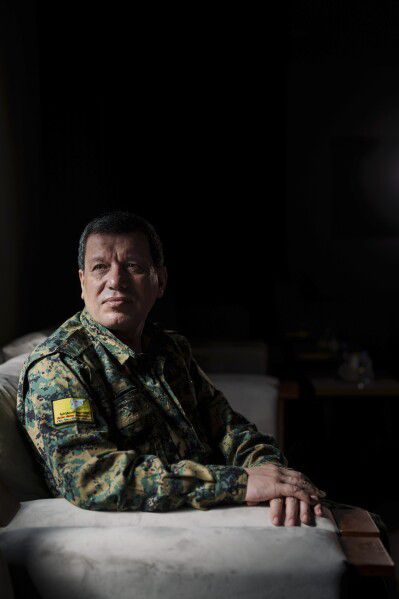
Syrian Democratic Forces (SDG) commander Mazloum Abdi has confirmed for the first time that a visit to Ankara is in preparation and that a meeting with jailed Kurdish leader Abdullah Öcalan could also be on the agenda, according to an exclusive interview published by Turkish outlet Serbestiyet on May 14, based on a nearly one-hour WhatsApp exchange with Al-Monitor journalist Amberin Zaman.
When asked whether he had received a formal invitation from the Turkish government, Abdi stopped short of confirming an official invite but said "we can say that such plans are at the preparation stage." He added that a potential meeting with Öcalan could form part of the visit's agenda, simply stating, "Yes, it could". This marks the first public acknowledgement from Abdi that direct engagement with Ankara is being actively considered, a significant development given the historically adversarial relationship between Turkey and the SDG.
Integration with Damascus
The wide-ranging interview also covered the SDG's ongoing integration process with the Syrian central government. Abdi confirmed that four military brigades composed exclusively of SDG fighters have been established under the Syrian army, deployed in Kobani, Derik, Haseke, and Qamishli. He acknowledged that mistakes were made during negotiations, particularly regarding the reintegration of Arab-majority areas such as Raqqa and Deir ez-Zor, saying the SDG "was not flexible enough" and could have begun integrating those regions far earlier.
Abdi stated that approximately 500 people remain in government custody — roughly half SDG fighters and half Kurdish civilians — and expressed urgency in resolving the issue. On the contentious matter of female combatants, he indicated that YPJ women fighters would likely be absorbed into internal security forces under the Interior Ministry, as Damascus does not recognise a legal basis for women in active combat roles.
Öcalan's Role and Kurdish Unity
Asked about Abdullah Öcalan's continued relevance, Abdi said the imprisoned PKK leader "is a national leader figure" and that his role "retains its importance" among Rojava's population. Abdi also confirmed receiving letters from Öcalan, with the last one arriving before the January clashes, though he noted there has been no direct phone contact. He stressed that consolidating Kurdish unity across political lines remains one of his top priorities going forward.
Photo: Source