D.Akdeniz'de Tansiyonu Yükseltebilecek Gelişme: Chevron, Yunanistan'la Hidrokarbon Arayacak

Yunanistan, ABD'li enerji devi Chevron ve Helleniq Energy ortaklığının Girit ve Mora Yarımadası güneyindeki sahalarda hidrokarbon aramak için teklif sunduğunu açıkladı. Atina'dan yapılan açıklamada, "Bu, ülkemiz için umut ve fırsat anlamına geliyor" denilirken, gözler Türkiye'nin atacağı adımlara çevrildi.

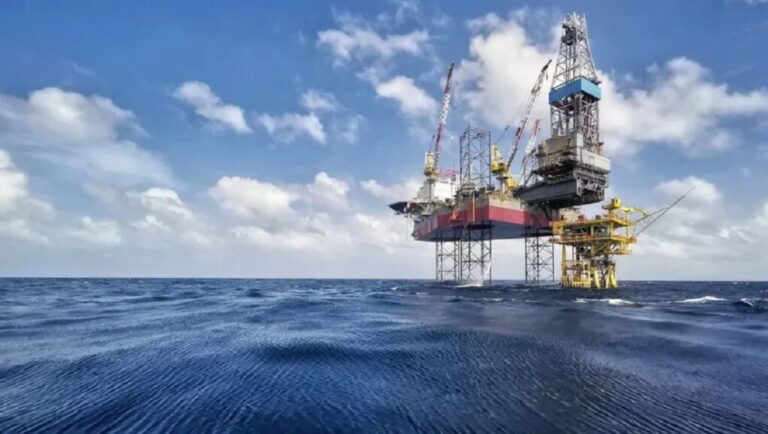
Doğu Akdeniz'deki enerji rekabetinde yeni bir perde açıldı. Yunanistan kamu radyo televizyon kurumu Ert’in haber sitesinde yer alan ilgili habere göre ABD'li küresel enerji şirketi Chevron, Yunanistan merkezli Helleniq Energy ile kurduğu ortaklıkla, Girit ve Mora Yarımadası'nın güneyindeki dört deniz bloğunda hidrokarbon arama ve üretimi için resmi teklif sundu.

Bu gelişme, halihazırda bölgede faaliyet gösteren Helleniq Energy için operasyonlarını genişletme anlamına gelirken, ABD'li dev Chevron'un Yunanistan enerji piyasasına ilk adımı olması nedeniyle stratejik bir önem taşıyor.

YUNANİSTAN: "JEOPOLİTİK KONUMUMUZU DEĞERLENDİRİYORUZ"

Konuyla ilgili açıklama yapan Yunanistan Çevre ve Enerji Bakanı Stavros Papastavrou, gelişmeyi "ülkenin deniz altı enerji kaynaklarının değerlendirilmesi için yeni bir sayfa" olarak nitelendirdi. Papastavrou, şunları söyledi:

“Bu gelişme, ülkemiz için umut ve fırsat anlamına geliyor. Yunanistan, ulusal özgüvenle enerji bağımsızlığı için sağlam temeller atıyor ve Doğu Akdeniz’deki jeopolitik konumunu en iyi şekilde değerlendiriyor. Kyriakos Mitsotakis hükûmeti, gelecek nesillere enerji güvenliği sağlanmış, yatırım açısından cazip ve jeopolitik olarak güçlü bir Yunanistan bırakma hedefini hayata geçiriyor.”

GÖZLER ANKARA'DA: TÜRKİYE'NİN TAVRI NE OLACAK?

Chevron gibi küresel bir oyuncunun, Yunanistan ile birlikte Doğu Akdeniz'de faaliyete başlaması, bölgedeki dengeleri doğrudan etkileme potansiyeli taşıyor. Arama yapılması planlanan sahaların, Türkiye'nin Libya ile imzaladığı Deniz Yetki Alanlarının Sınırlandırılmasına İlişkin Mutabakat Muhtırası ile belirlenen kıta sahanlığına yakınlığı, Ankara'nın süreci yakından takip etmesine neden oluyor.

Ankara'nın, kendi hak ve menfaatlerini ihlâl edebilecek tek taraflı adımlara karşı nasıl bir diplomatik veya hukuki karşılık vereceği merak konusu. ABD'li bir şirketin bölgeye girmesinin, olası bir gerilimde Washington'un pozisyonunu nasıl etkileyeceği de önümüzdeki dönemin en kritik sorularından biri olarak öne çıkıyor.

ŞİRKETLERDEN ORTAK AÇIKLAMA

HELLENiQ Energy tarafından yapılan resmî açıklamada ise Chevron ile yapılan iş birliği teyit edildi. Açıklamada, "Mora Yarımadası ve Girit’in güneyindeki dört açık deniz alanında hidrokarbon arama ve üretimi için HELLENiQ Energy, CHEVRON ile iş birliği içinde sürece katıldığını duyurur. Teklif, çağrı kurallarına uygun olarak bugün sunulmuştur" ifadeleri kullanıldı.

Photo: ErtNews 

More News

Iran’s Leaderless War Machine: The IRGC’s Autonomous Cells and the Escalation Nobody Controls

In the fog of a war that has already claimed Iran’s supreme leader and its top military brass, a new and perhaps more dangerous threat is emerging from the rubble of Tehran’s shattered command structure: a Revolutionary Guard Corps that, by design, no longer needs orders from above. Sources with direct knowledge of the situation confirm that Iran’s Islamic Revolutionary Guard Corps (IRGC) continues to prosecute strikes across the region not under the direction of the new Supreme Leader Mojtaba Khamenei, but according to pre-programmed autonomous protocols embedded deep within its decentralized “mosaic defense” architecture. The result is a war machine that has become, in the most literal sense, self-propelling — and increasingly difficult for anyone to stop. A New Supreme Leader With Limited Command Mojtaba Khamenei was formally elected Supreme Leader on 8 March 2026, succeeding his father Ayatollah Ali Khamenei, who was killed in the opening wave of the US-Israeli “Operation Epic Fury...

2026 US/Israel–Iran War Risk: Why the Chance of Escalation Is Meaningfully Elevated

As 2025 closes, the US/Israel–Iran confrontation is no longer a low-grade shadow struggle managed mainly through diplomacy and proxy conflicts ; it is an openly articulated deterrence contest in which leaders have publicly tied credibility to “red lines” and rapid retaliation. President Trump has stated that if Iran rebuilds its nuclear capabilities or continues rebuilding missile capacity , the response could be immediate and more severe—language that reduces room for quiet de-escalation once a new incident occurs.  At the same time, Iran has replied with warnings of harsh consequences for any renewed attacks, reinforcing a mutual-threat environment where misperception and political signaling can substitute for verifiable facts.  Against that backdrop, the key analytical point for 2026 is not whether a “full war” is the default outcome; it is that the probability that a limited clash escalates into a broader, sustained conflict is meaningfully elevated because the stabili...

Iran's Headscarf Rules Quietly Loosen — But No Law Has Changed

Bareheaded women appear openly in Tehran cafés and streets, yet activists warn the shift is fragile and the law remains on the books. Images have been circulating on social media of something that would have been almost unimaginable in Iran just a few years ago: women sipping coffee in Tehran cafés, strolling busy city streets, and sitting in restaurants — all without a headscarf. The scenes have ignited global attention and renewed debate over whether the Islamic Republic is quietly retreating from one of its most defining ideological pillars. For decades, wearing the hijab in public has been mandatory for all women in Iran — a rule enshrined in the Islamic Penal Code since 1983 and treated as a cornerstone of the clerical state established after the 1979 revolution. Violations could result in fines, arrest, or worse. Yet in recent weeks and months, enforcement appears to have noticeably slackened, at least in major urban centres. A Visible Shift on the Streets Reporters and residents...