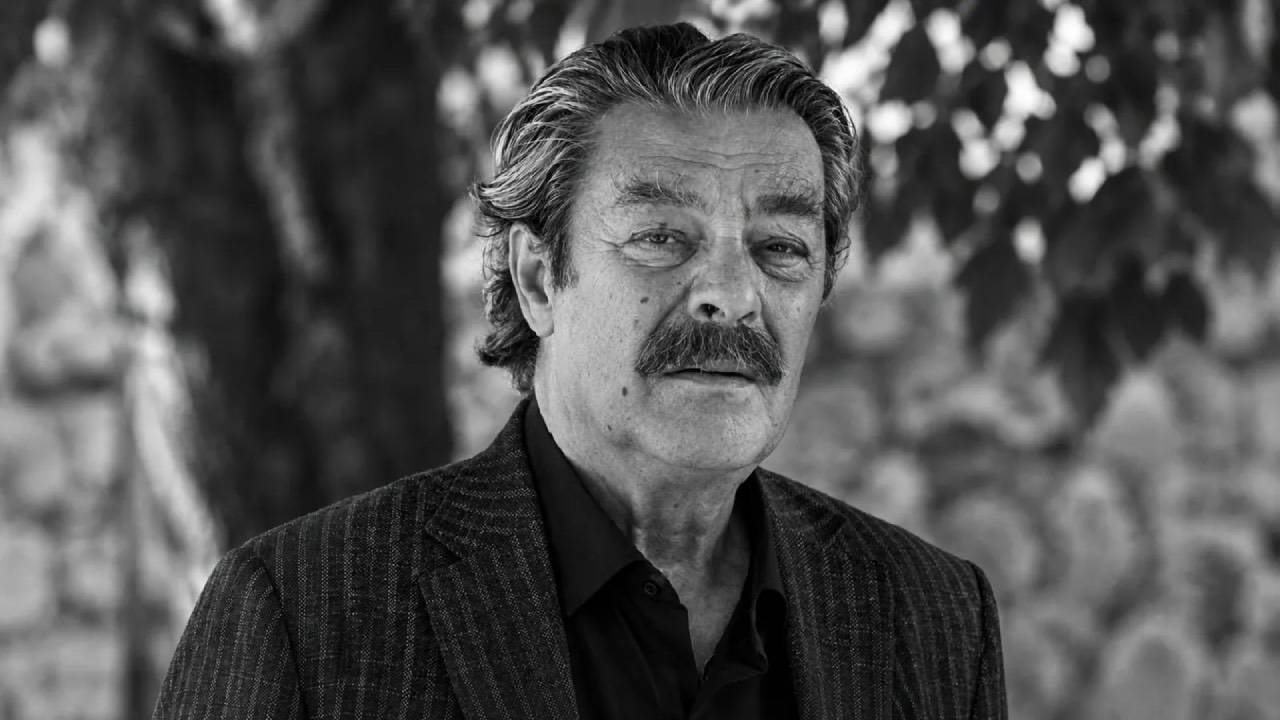
Türkiye Halkları Yasta: Sinemanın Dev Çınarı, Unutulmaz Değerimiz Kadir İnanır’ı Kaybettik

Türk sinemasının kalbi bugün derinden sarsıldı; Türkiye halkları, topraklarının yetiştirdiği en büyük kültürel değerlerden birini yitirmenin derin yası içinde. Yeşilçam’ın efsanevi jönü, vakur duruşu ve benzersiz karizmasıyla milyonların sevgilisi olan usta sanatçı Kadir İnanır, yoğun bakımda verdiği yaşam mücadelesini kaybederek 77 yaşında aramızdan ayrıldı.

14 Mayıs akşamı zatürre ve solunum yetmezliği teşhisiyle hastaneye kaldırılan İnanır, akciğerindeki tümör nedeniyle tedavi sürecinin kontrolü ve acı çekmemesi amacıyla 21 Mayıs'ta entübe edilmişti. Hayat arkadaşı Jülide Kural’ın ve tüm sevenlerinin büyük bir umutla takip ettiği yaklaşık iki aylık yoğun bakım sürecinin ardından, usta oyuncudan gelen acı haber tüm ülkeyi yasa boğdu.

Fatsa'dan Yeşilçam'ın Zirvesine

15 Nisan 1949'da Ordu'nun Fatsa ilçesinde doğan Kadir İnanır, sinema dünyasına 1967'de adım attı. Asıl büyük çıkışını, Türkan Şoray ile başrolünü paylaştığı Kara Gözlüm filmiyle yaptı. Bu efsanevi ortaklık; Selvi Boylum Al Yazmalım, Dila Hanım ve Devlerin Aşkı gibi klasikleri sinemamıza armağan etti. Tatar Ramazan ve Yılanların Öcü gibi filmlerde canlandırdığı haksızlığa boyun eğmeyen karakterlerle toplumsal hafızada ebedi bir yer edindi.

Bir "Sinema İşçisi"

Kadir İnanır, sadece beyazperdede adalet arayan bir oyuncu değil; aynı zamanda gerçek bir hak mücadelecisiydi. Kendisini her zaman bir "sinema işçisi" olarak tanımlayan usta isim, Sine-Sen çatısı altında Tarık Akan ile birlikte set çalışanlarının sosyal güvenceleri, insani çalışma şartları ve telif hakları için en önsafta savaştı.

Son yıllarda yaşadığı ciddi sağlık sorunlarına rağmen her seferinde dirayetiyle yeniden ayağa kalkan usta çınar, bu kez geri dönemedi. Türkiye, onun o asil duruşunu ve sinemaya kattığı eşsiz ruhu asla unutmayacak. Sanat dünyamızın ve tüm sevenlerinin başı sağ olsun. 

Fotoğraf için The Levant Files ailesi olarak Cumhuriyet'in değerli emekçilerine sonsuz teşekkürler...

More News

Iran’s Leaderless War Machine: The IRGC’s Autonomous Cells and the Escalation Nobody Controls

In the fog of a war that has already claimed Iran’s supreme leader and its top military brass, a new and perhaps more dangerous threat is emerging from the rubble of Tehran’s shattered command structure: a Revolutionary Guard Corps that, by design, no longer needs orders from above. Sources with direct knowledge of the situation confirm that Iran’s Islamic Revolutionary Guard Corps (IRGC) continues to prosecute strikes across the region not under the direction of the new Supreme Leader Mojtaba Khamenei, but according to pre-programmed autonomous protocols embedded deep within its decentralized “mosaic defense” architecture. The result is a war machine that has become, in the most literal sense, self-propelling — and increasingly difficult for anyone to stop. A New Supreme Leader With Limited Command Mojtaba Khamenei was formally elected Supreme Leader on 8 March 2026, succeeding his father Ayatollah Ali Khamenei, who was killed in the opening wave of the US-Israeli “Operation Epic Fury...

2026 US/Israel–Iran War Risk: Why the Chance of Escalation Is Meaningfully Elevated

As 2025 closes, the US/Israel–Iran confrontation is no longer a low-grade shadow struggle managed mainly through diplomacy and proxy conflicts ; it is an openly articulated deterrence contest in which leaders have publicly tied credibility to “red lines” and rapid retaliation. President Trump has stated that if Iran rebuilds its nuclear capabilities or continues rebuilding missile capacity , the response could be immediate and more severe—language that reduces room for quiet de-escalation once a new incident occurs.  At the same time, Iran has replied with warnings of harsh consequences for any renewed attacks, reinforcing a mutual-threat environment where misperception and political signaling can substitute for verifiable facts.  Against that backdrop, the key analytical point for 2026 is not whether a “full war” is the default outcome; it is that the probability that a limited clash escalates into a broader, sustained conflict is meaningfully elevated because the stabili...

Iran's Headscarf Rules Quietly Loosen — But No Law Has Changed

Bareheaded women appear openly in Tehran cafés and streets, yet activists warn the shift is fragile and the law remains on the books. Images have been circulating on social media of something that would have been almost unimaginable in Iran just a few years ago: women sipping coffee in Tehran cafés, strolling busy city streets, and sitting in restaurants — all without a headscarf. The scenes have ignited global attention and renewed debate over whether the Islamic Republic is quietly retreating from one of its most defining ideological pillars. For decades, wearing the hijab in public has been mandatory for all women in Iran — a rule enshrined in the Islamic Penal Code since 1983 and treated as a cornerstone of the clerical state established after the 1979 revolution. Violations could result in fines, arrest, or worse. Yet in recent weeks and months, enforcement appears to have noticeably slackened, at least in major urban centres. A Visible Shift on the Streets Reporters and residents...